
-
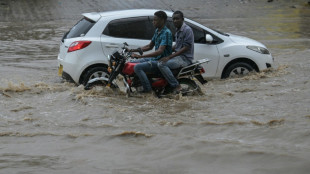 Kenya's economy faces climate change risks: World Bank
-
World stocks mostly slide, consolidating Fed-fuelled gains

-
 Crypto firm Tether bids for Juventus, is quickly rebuffed
-
UK's king shares 'good news' that cancer treatment will be reduced in 2026

-
 Can Venezuela survive US targeting its oil tankers?
-
Salah admired from afar in his Egypt home village as club tensions swirl

-
 World stocks retrench, consolidating Fed-fuelled gains
-
Iran frees child bride sentenced to death over husband's killing: activists

-
 World stocks consolidate Fed-fuelled gains
-
France updates net-zero plan, with fossil fuel phaseout

-
 Stocks rally in wake of Fed rate cut
-
EU agrees recycled plastic targets for cars

-
 British porn star to be deported from Bali after small fine
-
British porn star fined, faces imminent Bali deportation

-
 Spain opens doors to descendants of Franco-era exiles
-
Indonesia floods were 'extinction level' for rare orangutans

-
 Thai teacher finds 'peace amidst chaos' painting bunker murals
-
Japan bear victim's watch shows last movements

-
 South Korea exam chief quits over complaints of too-hard tests
-
French indie 'Clair Obscur' dominates Game Awards

-
 South Korea exam chief resigns after tests dubbed too hard
-
Asian markets track Wall St record after Fed cut

-
 Laughing about science more important than ever: Ig Nobel founder
-
Vaccines do not cause autism: WHO

-
 Crypto mogul Do Kwon sentenced to 15 years for fraud: US media
-
'In her prime': Rare blooming of palm trees in Rio

-
 Make your own Mickey Mouse clip - Disney embraces AI
-
OpenAI beefs up GPT models in AI race with Google

-
 Dark, wet, choppy: Machado's secret sea escape from Venezuela
-
Cyclone causes blackout, flight chaos in Brazil's Sao Paulo

-
 2024 Eurovision winner Nemo returns trophy over Israel's participation
-
US bringing seized tanker to port, as Venezuela war threats build

-
 Make your own AI Mickey Mouse - Disney embraces new tech
-
Time magazine names 'Architects of AI' as Person of the Year

-
 Floodworks on Athens 'oasis' a tough sell among locals
-
OpenAI, Disney to let fans create AI videos in landmark deal

-
 German growth forecasts slashed, Merz under pressure
-
Thyssenkrupp pauses steel production at two sites citing Asian pressure

-
 ECB proposes simplifying rules for banks
-
Stocks mixed as US rate cut offset by Fed outlook, Oracle earnings

-
 Desert dunes beckon for Afghanistan's 4x4 fans
-
Breakout star: teenage B-girl on mission to show China is cool

-
 Chocolate prices high before Christmas despite cocoa fall
-
Austria set to vote on headscarf ban in schools

-
 Asian traders cheer US rate cut but gains tempered by outlook
-
AI's $400 bn problem: Are chips getting old too fast?

-
 Oracle shares dive as revenue misses forecasts
-
US stocks rise, dollar retreats as Fed tone less hawkish than feared

-
 Divided US Fed makes third straight rate cut, signals higher bar ahead
-
Machado to come out of hiding after missing Nobel ceremony

NYSE - LSE
EU: How do we deal with Donald Trump?
The prospect of Donald Trump returning to the Oval Office as the 47th President of the United States presents the European Union (EU) with a complex array of challenges and considerations. A renewed Trump presidency could significantly alter the transatlantic relationship, impacting economic ties and security cooperation. It is imperative for the EU to proactively assess its strategies to navigate this potential shift in U.S. foreign policy.
Recalibrating Diplomatic Engagement
Under President Trump's previous tenure, the transatlantic alliance experienced strains over issues such as trade tariffs, NATO funding, and differing approaches to global agreements like the Paris Climate Accord and the Iran Nuclear Deal. The EU should prepare for a diplomatic landscape where unilateral U.S. decisions might resurface. Strengthening intra-EU cohesion and presenting a unified front in negotiations could enhance the bloc's ability to manage disagreements effectively.
Economic Implications and Trade Policies
A Trump administration may revisit protectionist trade policies, potentially reinstating tariffs on European goods. The EU should consider:
- Diversifying Trade Partnerships: Reducing reliance on the U.S. market by expanding trade agreements with other global partners could mitigate economic risks.
- Enhancing Internal Markets: Strengthening the Single Market can bolster the EU's economic resilience against external shocks.
- Negotiating Trade Terms: Proactive engagement with U.S. counterparts to find mutually beneficial trade arrangements may prevent escalations.
Security and Defense Considerations
Trump's previous criticisms of NATO and demands for increased defense spending from European allies could resurface. The EU might need to:
- Boost Defense Capabilities: Investing in European defense initiatives can reduce dependency on U.S. military support.
- Promote Strategic Autonomy: Developing independent security strategies allows the EU to respond to global threats more effectively.
- Maintain Open Channels: Continuous dialogue with U.S. defense officials is crucial to preserve cooperation on shared security interests.
Climate Change and Environmental Policies
Given Trump's past withdrawal from the Paris Climate Accord, environmental collaboration may face challenges. The EU should:
- Lead Global Efforts: Continue to champion climate initiatives on the international stage, encouraging other nations to commit to environmental goals.
- Engage in Dialogue: Seek common ground with the U.S. on specific environmental issues where cooperation is possible.
Addressing Global Governance and Multilateralism
A shift towards unilateralism in U.S. foreign policy could undermine multilateral institutions. The EU can:
- Support International Organizations: Reinforce commitment to the United Nations, World Trade Organization, and other bodies to uphold global governance structures.
- Forge Alliances: Collaborate with like-minded countries to promote a rules-based international order.
Mitigating Risks of Geopolitical Tensions
Potential policy divergences on relations with countries like China, Russia, and Iran require careful navigation. The EU should:
- Develop Cohesive Foreign Policies: Align member states on key foreign policy positions to present a united stance.
- Engage in Strategic Dialogue: Maintain open communications with the U.S. to manage disagreements and prevent escalations.
Conclusion
A potential second Trump presidency necessitates that the European Union reassesses its approach to transatlantic relations. By prioritizing unity, enhancing strategic autonomy, and engaging in proactive diplomacy, the EU can mitigate potential economic and security risks. Preparing for various scenarios ensures that the EU remains resilient and capable of upholding its interests on the global stage.
A new vision for Japan
The Fall of South Korea?

Gaza on the cusp of civil war
Israel: Economy on the edge
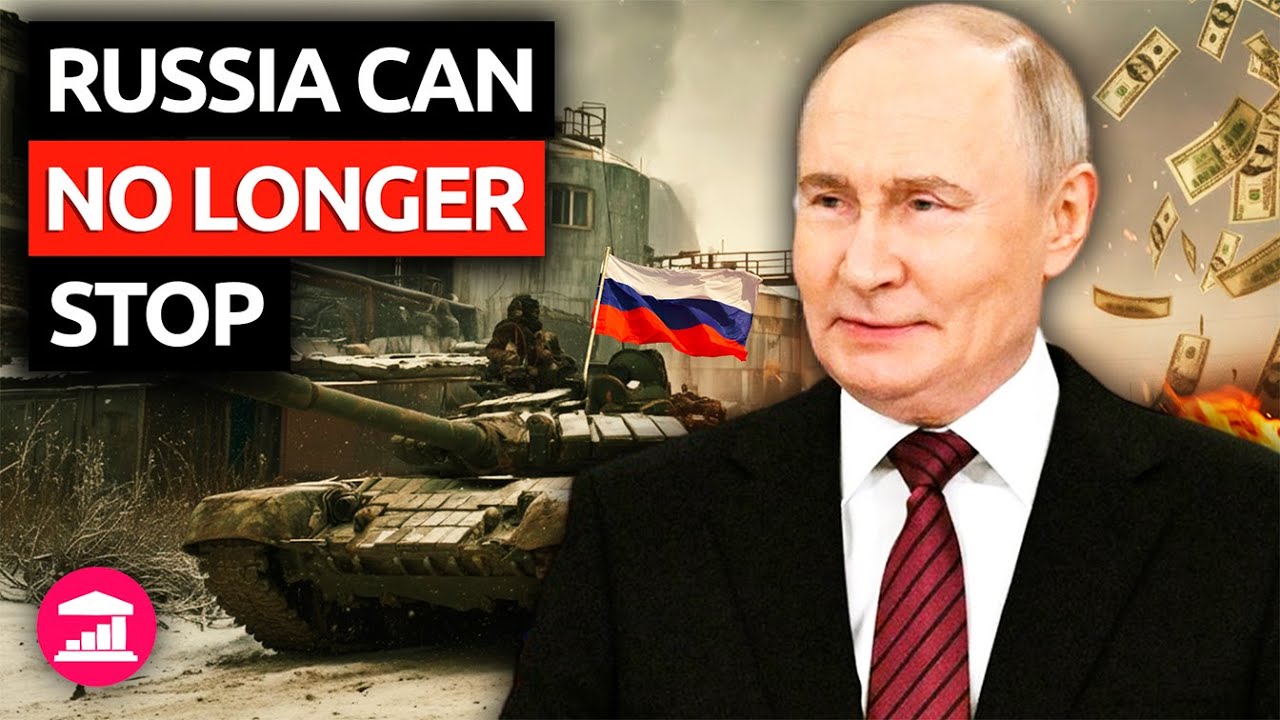
Why Russia can’t end war
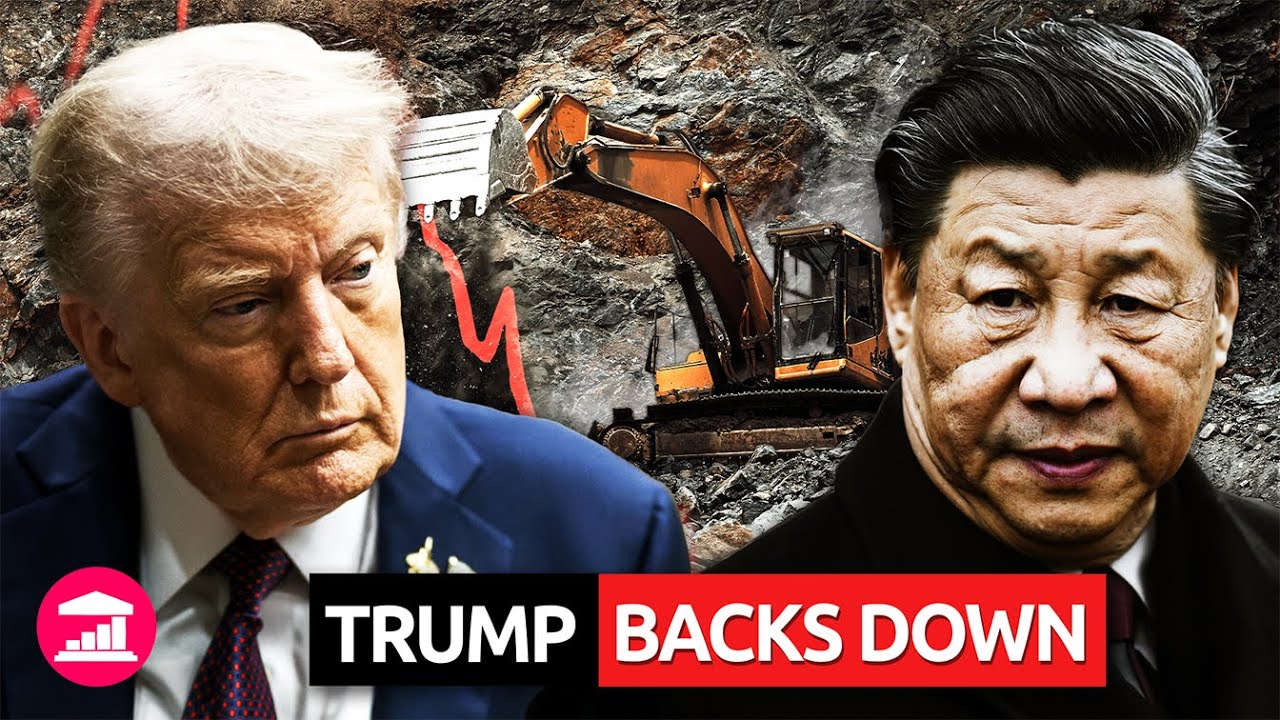
Rare Earth Standoff
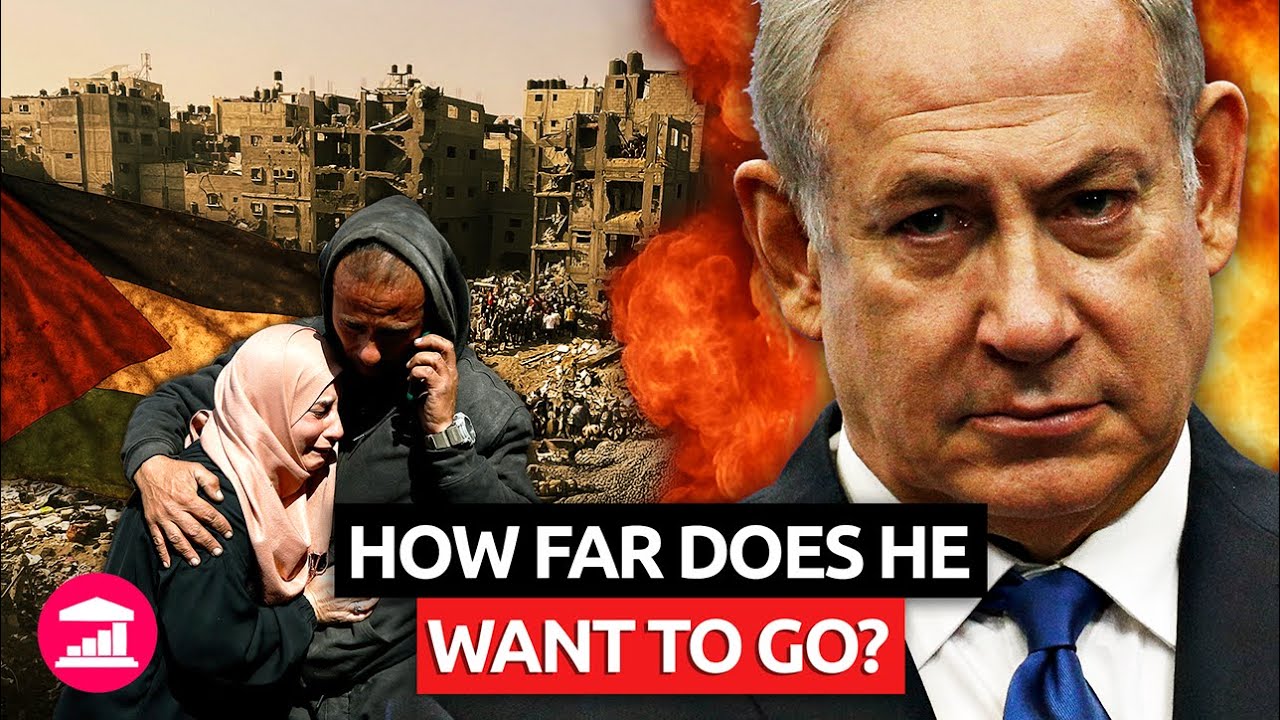
Tanks in Gaza - Hopes dim?
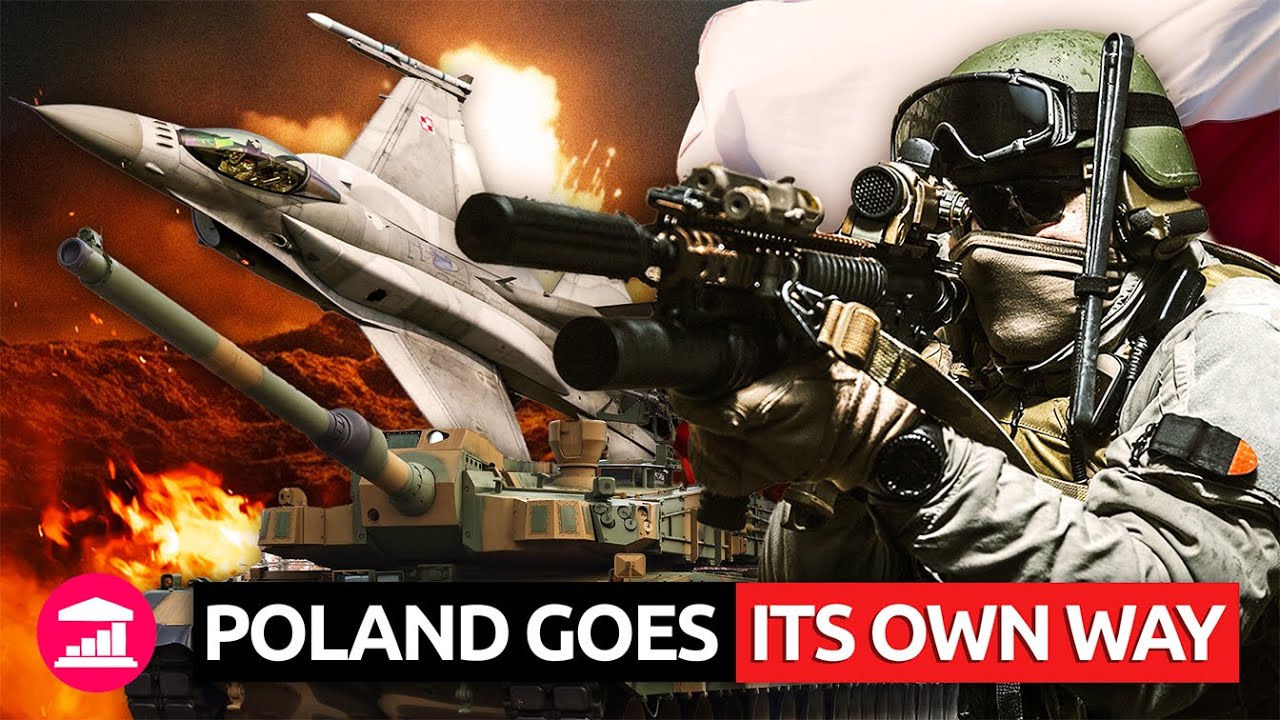
Poland trusts only hard Power
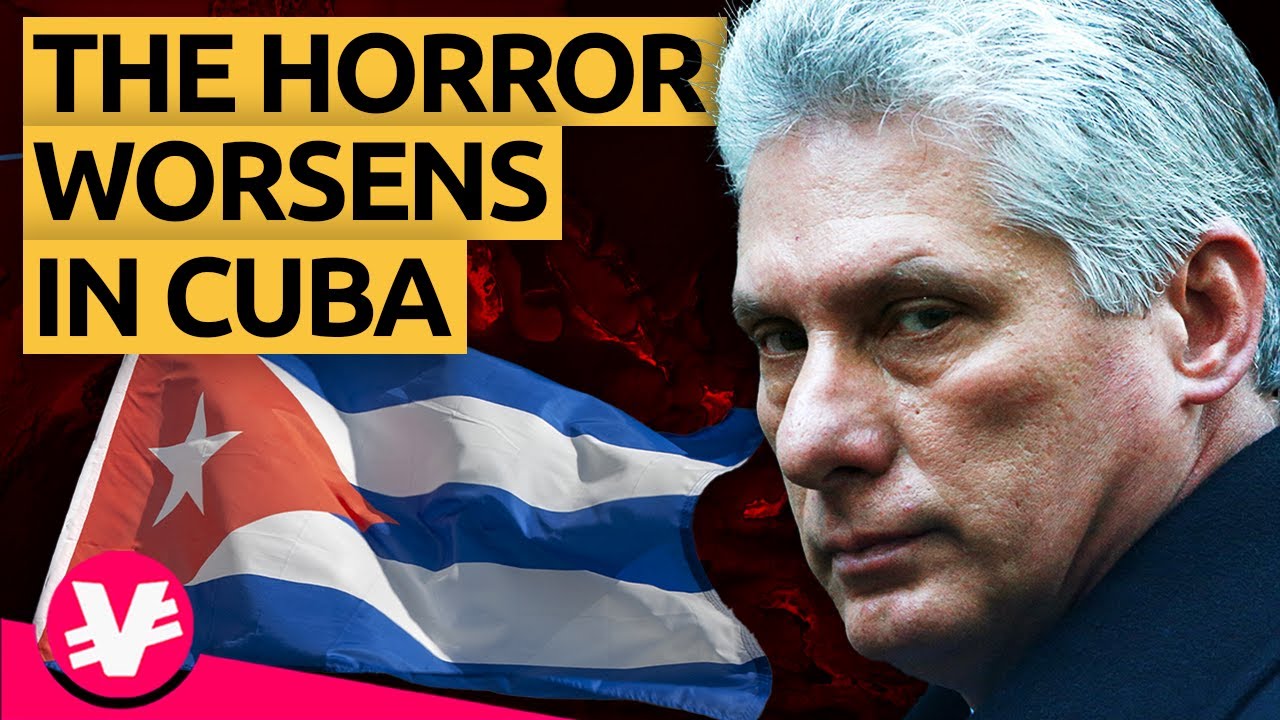
Cuba's hunger Crisis deepens
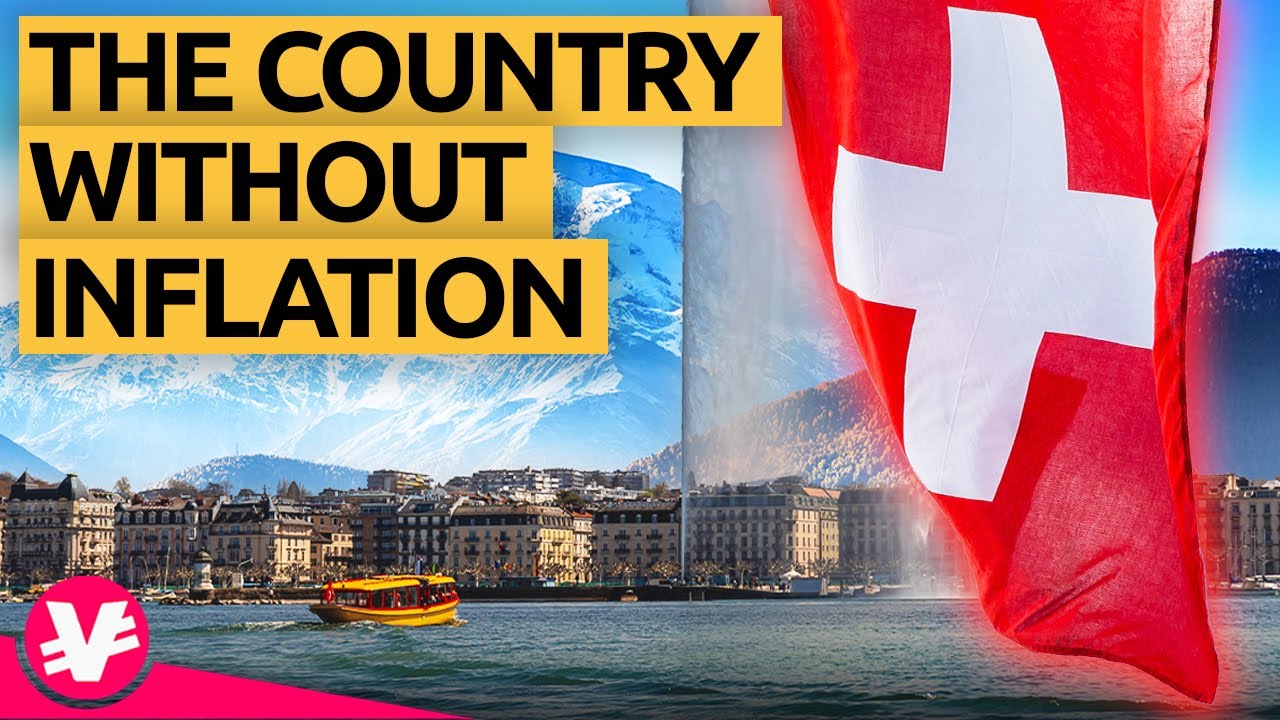
How Swiss Stocks tamed Prices

Russia's Drone ploy in Poland



