-
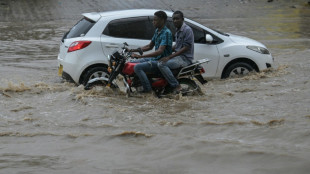 Kenya's economy faces climate change risks: World Bank
-
World stocks mostly slide, consolidating Fed-fuelled gains

-
 Crypto firm Tether bids for Juventus, is quickly rebuffed
-
UK's king shares 'good news' that cancer treatment will be reduced in 2026

-
 Can Venezuela survive US targeting its oil tankers?
-
Salah admired from afar in his Egypt home village as club tensions swirl

-
 World stocks retrench, consolidating Fed-fuelled gains
-
Iran frees child bride sentenced to death over husband's killing: activists

-
 World stocks consolidate Fed-fuelled gains
-
France updates net-zero plan, with fossil fuel phaseout

-
 Stocks rally in wake of Fed rate cut
-
EU agrees recycled plastic targets for cars

-
 British porn star to be deported from Bali after small fine
-
British porn star fined, faces imminent Bali deportation

-
 Spain opens doors to descendants of Franco-era exiles
-
Indonesia floods were 'extinction level' for rare orangutans

-
 Thai teacher finds 'peace amidst chaos' painting bunker murals
-
Japan bear victim's watch shows last movements

-
 South Korea exam chief quits over complaints of too-hard tests
-
French indie 'Clair Obscur' dominates Game Awards

-
 South Korea exam chief resigns after tests dubbed too hard
-
Asian markets track Wall St record after Fed cut

-
 Laughing about science more important than ever: Ig Nobel founder
-
Vaccines do not cause autism: WHO

-
 Crypto mogul Do Kwon sentenced to 15 years for fraud: US media
-
'In her prime': Rare blooming of palm trees in Rio

-
 Make your own Mickey Mouse clip - Disney embraces AI
-
OpenAI beefs up GPT models in AI race with Google

-
 Dark, wet, choppy: Machado's secret sea escape from Venezuela
-
Cyclone causes blackout, flight chaos in Brazil's Sao Paulo

-
 2024 Eurovision winner Nemo returns trophy over Israel's participation
-
US bringing seized tanker to port, as Venezuela war threats build

-
 Make your own AI Mickey Mouse - Disney embraces new tech
-
Time magazine names 'Architects of AI' as Person of the Year

-
 Floodworks on Athens 'oasis' a tough sell among locals
-
OpenAI, Disney to let fans create AI videos in landmark deal

-
 German growth forecasts slashed, Merz under pressure
-
Thyssenkrupp pauses steel production at two sites citing Asian pressure

-
 ECB proposes simplifying rules for banks
-
Stocks mixed as US rate cut offset by Fed outlook, Oracle earnings

-
 Desert dunes beckon for Afghanistan's 4x4 fans
-
Breakout star: teenage B-girl on mission to show China is cool

-
 Chocolate prices high before Christmas despite cocoa fall
-
Austria set to vote on headscarf ban in schools

-
 Asian traders cheer US rate cut but gains tempered by outlook
-
AI's $400 bn problem: Are chips getting old too fast?

-
 Oracle shares dive as revenue misses forecasts
-
US stocks rise, dollar retreats as Fed tone less hawkish than feared

-
 Divided US Fed makes third straight rate cut, signals higher bar ahead
-
Machado to come out of hiding after missing Nobel ceremony

NYSE - LSE
Truth: The end of the ‘Roman Empire’
The fall of the Roman Empire in the fifth century AD has long captivated historians and the public alike. For centuries, scholars have debated the precise causes of the Empire’s decline, offering myriad explanations—ranging from political corruption and economic instability to moral degeneration and barbarian invasions. Yet despite the passage of time and the wealth of research available, there remains no single, universally accepted answer to the question: why did the Roman Empire truly collapse?
A central factor often cited is political fragmentation. As the Empire grew too vast to govern effectively from one centre, Emperor Diocletian introduced the Tetrarchy—a system dividing the realm into eastern and western halves. While initially intended to provide administrative efficiency, this division ultimately paved the way for competing centres of power and weakened the unity that had long defined Roman rule. Frequent changes of leadership and civil wars further sapped the state’s coherence, undermining confidence in the imperial regime.
Economics played an equally crucial role. Burdened by expensive military campaigns to protect ever-extending frontiers, the Empire resorted to debasing its currency, provoking rampant inflation and eroding public trust. The resulting fiscal strains fuelled social unrest, as high taxes weighed heavily upon small farmers and urban dwellers alike. Coupled with declining trade routes and resource depletion, these pressures contributed to a persistent sense of crisis.
Compounding these challenges was the growing threat from beyond Rome’s borders. Germanic tribes such as the Visigoths, Vandals, and Ostrogoths gradually eroded the Western Empire’s defensive capabilities. While earlier Roman armies proved formidable, internal discord had dulled their edge, allowing external forces to breach once-impenetrable frontiers.
Modern historians emphasise that the Empire did not fall solely because of barbarian invasions, moral decay, or fiscal collapse; instead, its downfall was the outcome of a confluence of factors, each interacting with the other. The story of Rome’s fall thus serves as a stark reminder that even the mightiest of civilisations can succumb to the inexorable weight of political, economic, and social upheaval.
China Targets Dollar at US Critical Moment
EU Pledges €800 Billion for Defence to Deter Russia

Israel escalates War to crush Hamas

Trump, Putin and the question: What now?
Canada challenges Trump on Tariffs
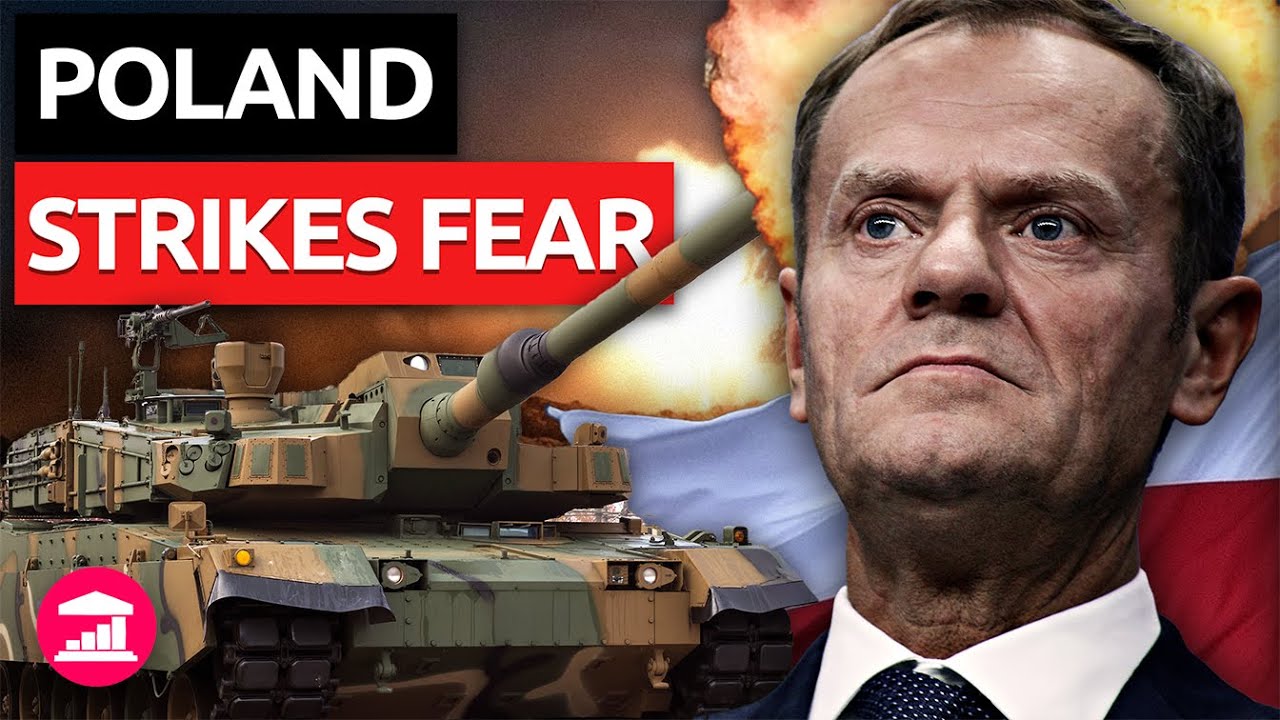
Nuclear weapons for Poland against Russia?
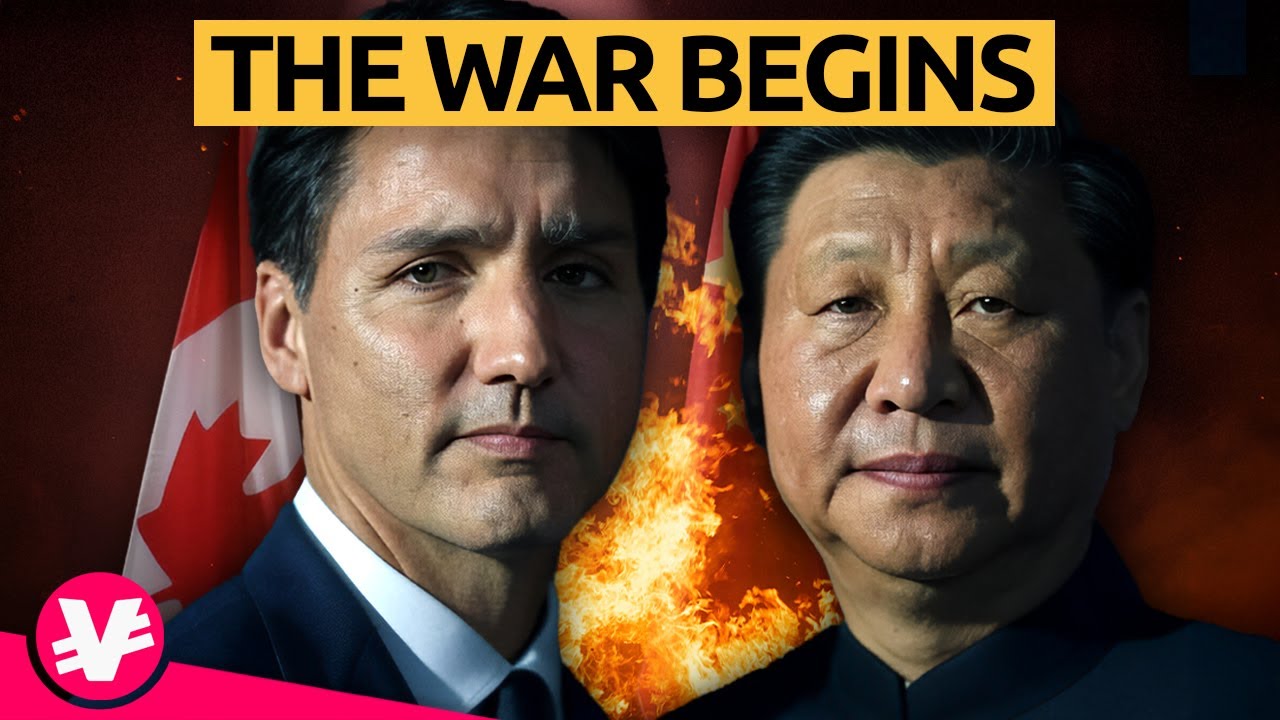
Rebellion against Trump: "Ready for War?"

Ukraine: Problem with the ceasefire?

Ukraine Loses Kursk: A Collapse?
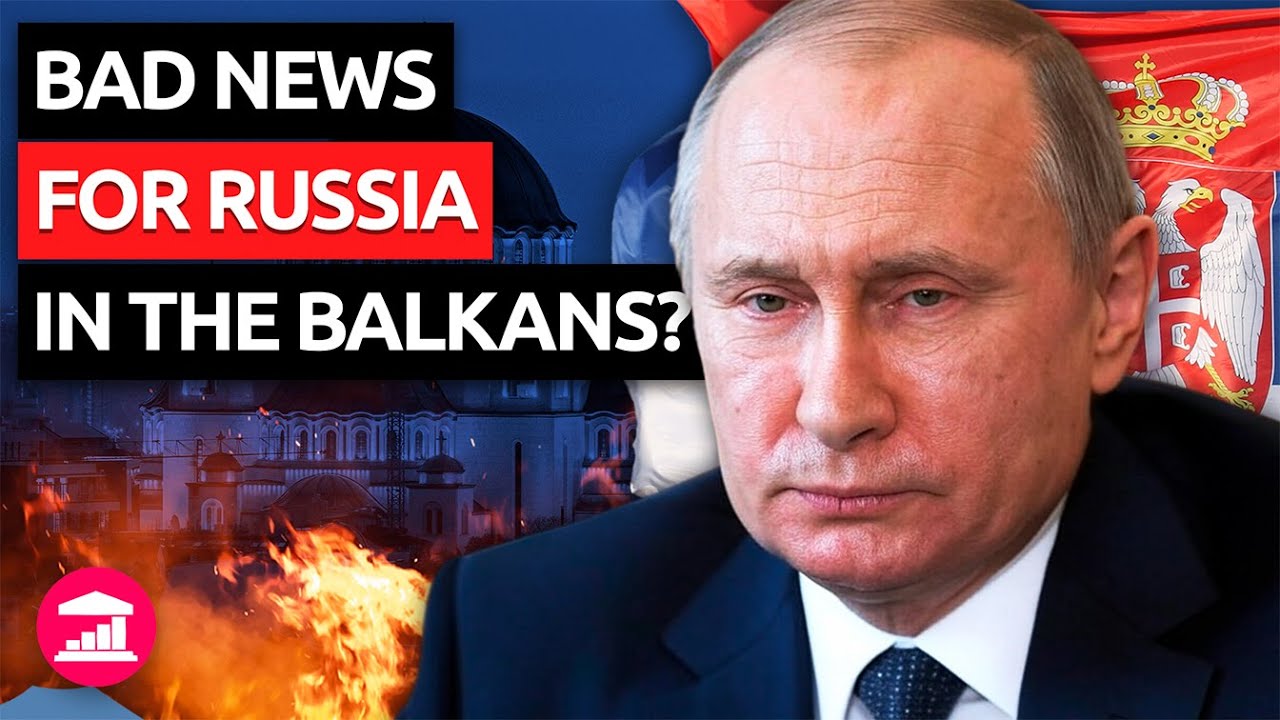
Russia's "Alliance" in the Balkans is sinking
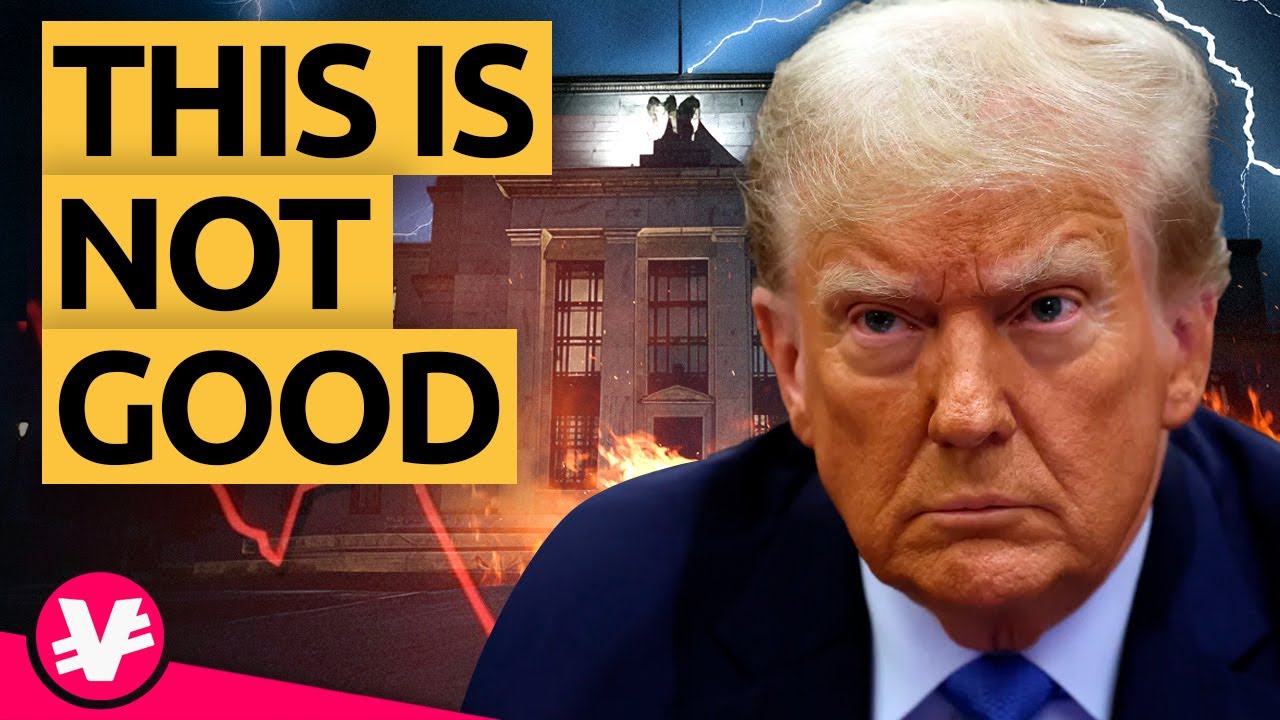
US Federal Reserve with “announcement”