-
 Kenya's economy faces climate change risks: World Bank
-
Campaigning starts in Central African Republic quadruple election

-
 'Stop the slaughter': French farmers block roads over cow disease cull
-
First urban cable car unveiled outside Paris

-
 Why SpaceX IPO plan is generating so much buzz
-
US unseals warrant for tanker seized off Venezuelan coast

-
 World stocks mostly slide, consolidating Fed-fuelled gains
-
Crypto firm Tether bids for Juventus, is quickly rebuffed

-
 UK's king shares 'good news' that cancer treatment will be reduced in 2026
-
Can Venezuela survive US targeting its oil tankers?

-
 Salah admired from afar in his Egypt home village as club tensions swirl
-
World stocks retrench, consolidating Fed-fuelled gains

-
 Iran frees child bride sentenced to death over husband's killing: activists
-
World stocks consolidate Fed-fuelled gains

-
 France updates net-zero plan, with fossil fuel phaseout
-
Stocks rally in wake of Fed rate cut

-
 EU agrees recycled plastic targets for cars
-
British porn star to be deported from Bali after small fine

-
 British porn star fined, faces imminent Bali deportation
-
Spain opens doors to descendants of Franco-era exiles

-
 Indonesia floods were 'extinction level' for rare orangutans
-
Thai teacher finds 'peace amidst chaos' painting bunker murals

-
 Japan bear victim's watch shows last movements
-
South Korea exam chief quits over complaints of too-hard tests

-
 French indie 'Clair Obscur' dominates Game Awards
-
South Korea exam chief resigns after tests dubbed too hard

-
 Asian markets track Wall St record after Fed cut
-
Laughing about science more important than ever: Ig Nobel founder

-
 Vaccines do not cause autism: WHO
-
Crypto mogul Do Kwon sentenced to 15 years for fraud: US media

-
 'In her prime': Rare blooming of palm trees in Rio
-
Make your own Mickey Mouse clip - Disney embraces AI

-
 OpenAI beefs up GPT models in AI race with Google
-
Dark, wet, choppy: Machado's secret sea escape from Venezuela

-
 Cyclone causes blackout, flight chaos in Brazil's Sao Paulo
-
2024 Eurovision winner Nemo returns trophy over Israel's participation

-
 US bringing seized tanker to port, as Venezuela war threats build
-
Make your own AI Mickey Mouse - Disney embraces new tech

-
 Time magazine names 'Architects of AI' as Person of the Year
-
Floodworks on Athens 'oasis' a tough sell among locals

-
 OpenAI, Disney to let fans create AI videos in landmark deal
-
German growth forecasts slashed, Merz under pressure

-
 Thyssenkrupp pauses steel production at two sites citing Asian pressure
-
ECB proposes simplifying rules for banks

-
 Stocks mixed as US rate cut offset by Fed outlook, Oracle earnings
-
Desert dunes beckon for Afghanistan's 4x4 fans

-
 Breakout star: teenage B-girl on mission to show China is cool
-
Chocolate prices high before Christmas despite cocoa fall

-
 Austria set to vote on headscarf ban in schools
-
Asian traders cheer US rate cut but gains tempered by outlook

NYSE - LSE
Rebellion against Trump: "Ready for War?"
Donald Trump’s re-ascension to the U.S. presidency in January 2025 has sparked a series of protests and statements of defiance across multiple continents, with some activists and commentators adopting the provocative slogan, "We are ready for war." While the phrase has gained traction among certain groups, it remains a symbolic expression of opposition rather than a literal call to arms, rooted in concerns over Trump’s policies and their global implications.
The unrest began shortly after Trump’s inauguration on 20 January 2025, when he reinstated his "America First" doctrine, announcing plans to withdraw from the Paris Climate Agreement for a second time and impose tariffs on European and Chinese goods. In response, demonstrations erupted in several major cities. On 25 January, an estimated 10,000 people gathered in Paris, according to French police figures, where activist Élise Moreau, a known figure in the climate movement, coined the phrase "We are ready for war" during a speech outside the U.S. Embassy. Moreau clarified in a later interview with Le Monde that her words were metaphorical, intended to signify "a battle of ideas and values" against what she called Trump’s "anti-globalist agenda."
In Europe, the backlash has been particularly pronounced. On 3 February, Berlin saw a protest of 8,000 people, per German authorities, with banners reading "Nein zu Trump" ("No to Trump") and demands for the European Union to strengthen its autonomy from U.S. influence. The German Foreign Ministry issued a statement on 5 February, expressing "concern" over Trump’s proposed NATO funding cuts, which he reiterated in a speech on 1 February in Florida, threatening to reduce U.S. contributions unless allies increased their defence spending.
Across the Channel, the United Kingdom has also witnessed dissent. On 10 March, approximately 5,000 protesters marched through London, according to Metropolitan Police estimates, organised by a coalition of environmental and human rights groups. Labour MP Zara Khan addressed the crowd, criticising Trump’s tariff threats, which the UK Treasury warned could cost British exporters £2 billion annually based on 2024 trade data. Khan called for "resolute opposition" but avoided endorsing the "war" rhetoric directly.
In Asia, reactions have been more restrained but no less significant. South Korea’s Ministry of Foreign Affairs expressed "deep unease" on 15 February after Trump suggested renegotiating the U.S.-South Korea Free Trade Agreement, a move analysts say could disrupt Seoul’s economy, which exported $84 billion in goods to the U.S. in 2024, per Korea Customs Service data. Meanwhile, in Japan, a small demonstration of 300 people occurred in Tokyo on 20 February, according to local police, with participants citing fears over Trump’s hints at reducing U.S. troop presence in the region, as reported by The Japan Times.
Trump has dismissed the international criticism. At a rally in Ohio on 12 March, attended by an estimated 15,000 supporters per local officials, he labelled the protests "a tantrum by sore losers" and vowed to prioritise American interests "no matter the noise from abroad." His administration has yet to respond formally to the growing unrest, though White House Press Secretary John Carter stated on 16 March that "the president welcomes dialogue with allies" but will not bow to external pressure.
Experts caution against overinterpreting the "war" rhetoric. Dr. Maria Costa, a political scientist at the University of Oxford, told this publication, "The phrase is a hyperbolic signal of frustration, not a policy proposal. It reflects genuine fears about trade wars, climate inaction, and geopolitical instability." Data from the World Trade Organization supports some of these concerns, projecting that Trump’s proposed 20% tariffs could reduce global trade volume by 1.5% in 2026 if implemented.
As of now, no official coordinated international response has emerged, though activists are planning a "Global Day of Action" on 1 April, with events scheduled in at least 12 cities worldwide, according to organisers’ statements on X. Governments, meanwhile, appear focused on diplomacy. French President Emmanuel Macron and German Chancellor Anna Berger are set to meet U.S. Secretary of State Michael Hayes in Brussels next week to discuss NATO and trade, per a 17 March EU press release.
While the "rebellion" remains largely symbolic, its scale and intensity underscore the polarising impact of Trump’s leadership on the global stage. Whether it evolves into a substantive challenge or fades as rhetoric will depend on the actions of both his administration and the international community in the months ahead.
Trump’s Ukraine Economic Colony Plan Stirs Debate
China Targets Dollar at US Critical Moment
EU Pledges €800 Billion for Defence to Deter Russia
Israel escalates War to crush Hamas
Trump, Putin and the question: What now?
Canada challenges Trump on Tariffs
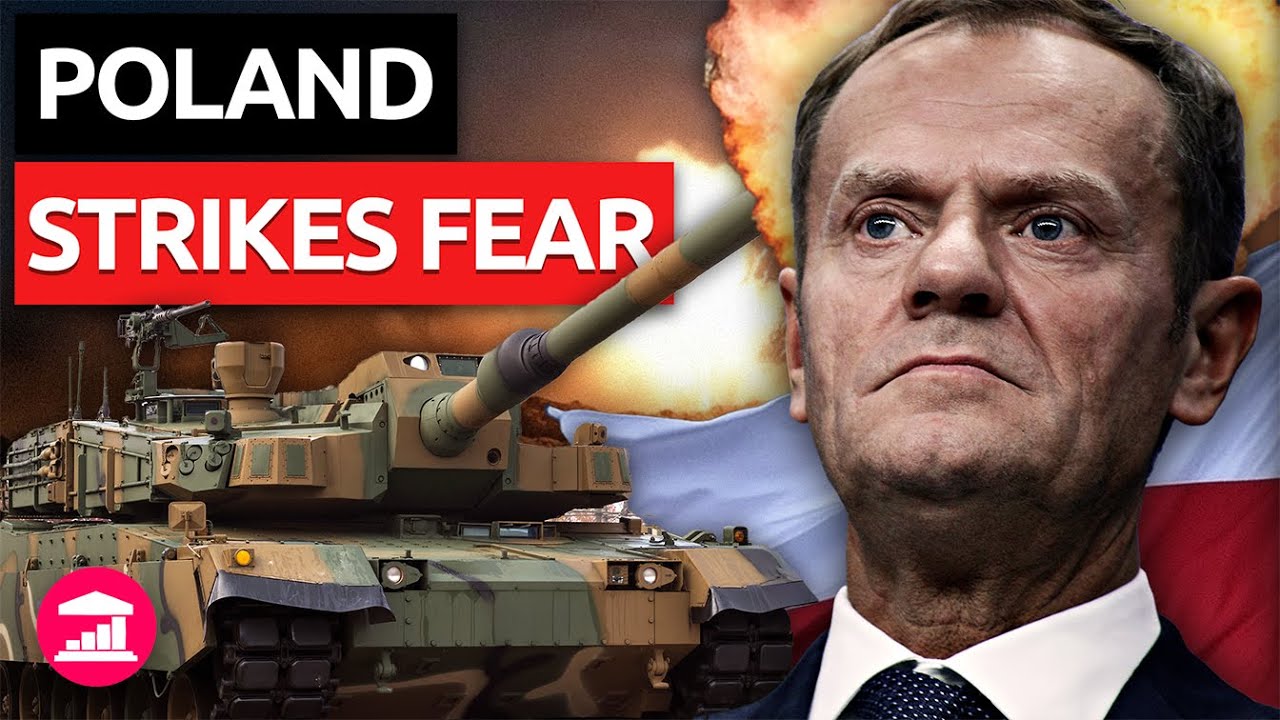
Nuclear weapons for Poland against Russia?
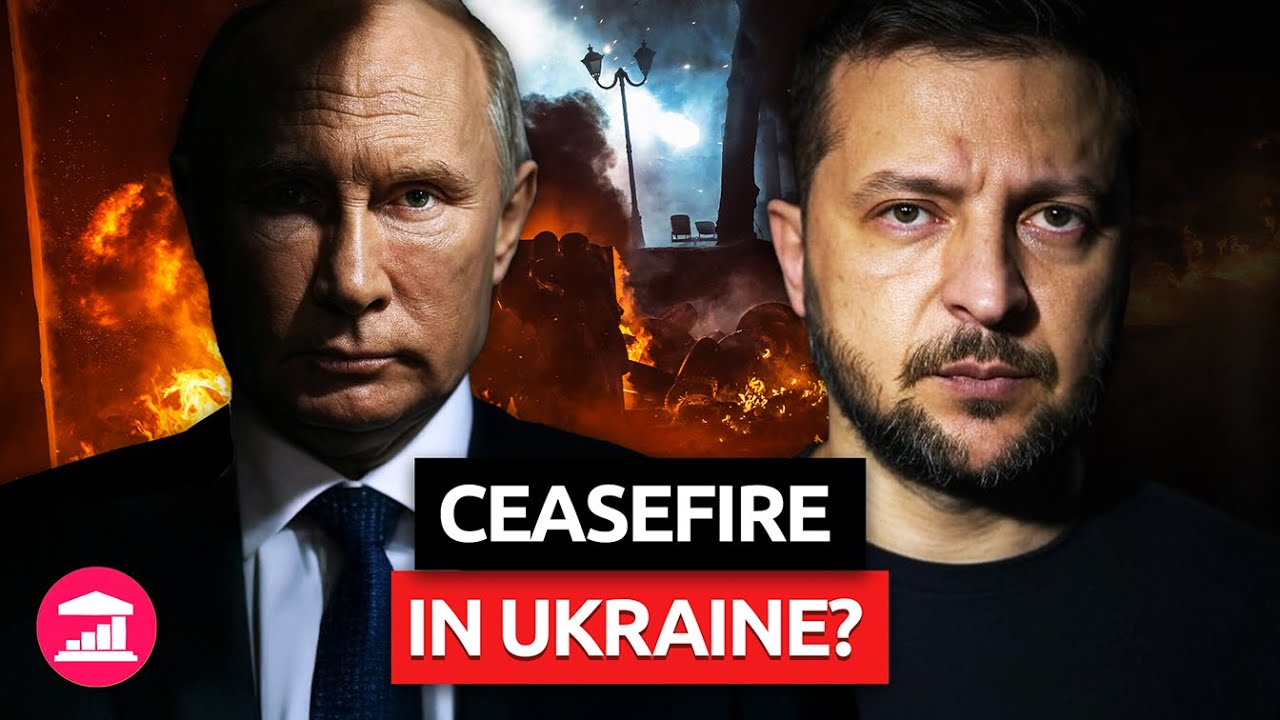
Ukraine: Problem with the ceasefire?

Ukraine Loses Kursk: A Collapse?
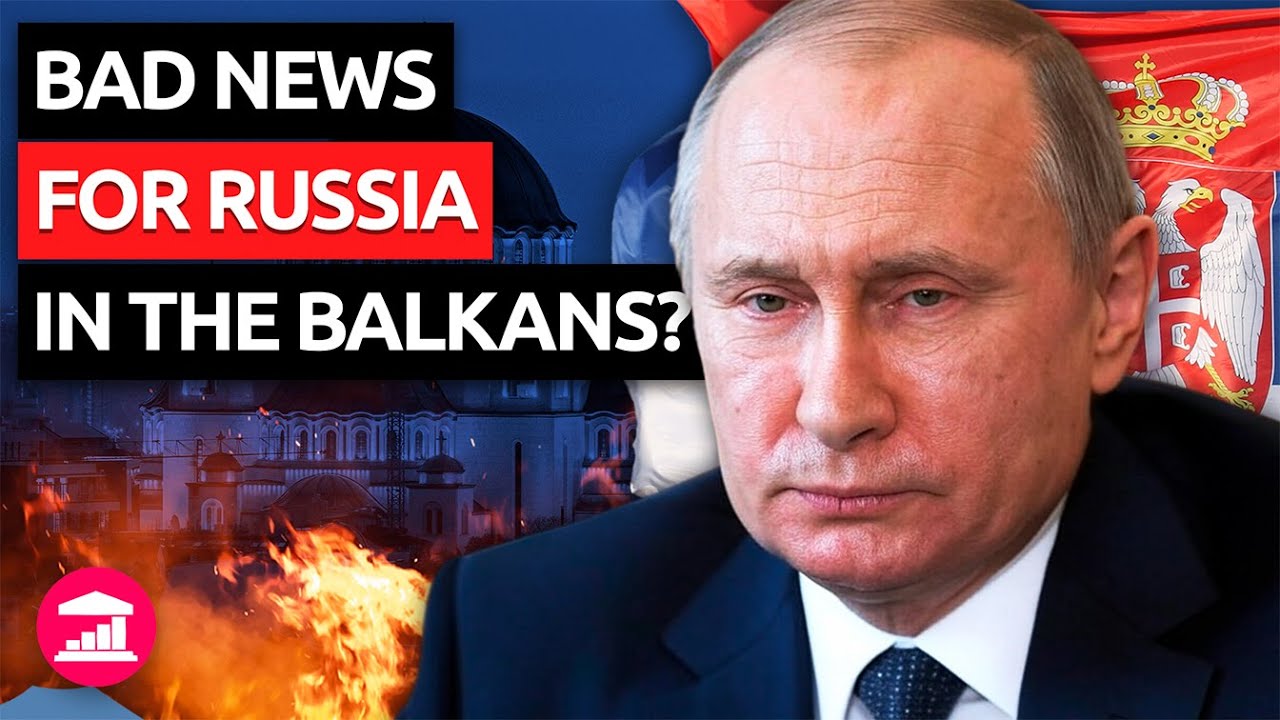
Russia's "Alliance" in the Balkans is sinking
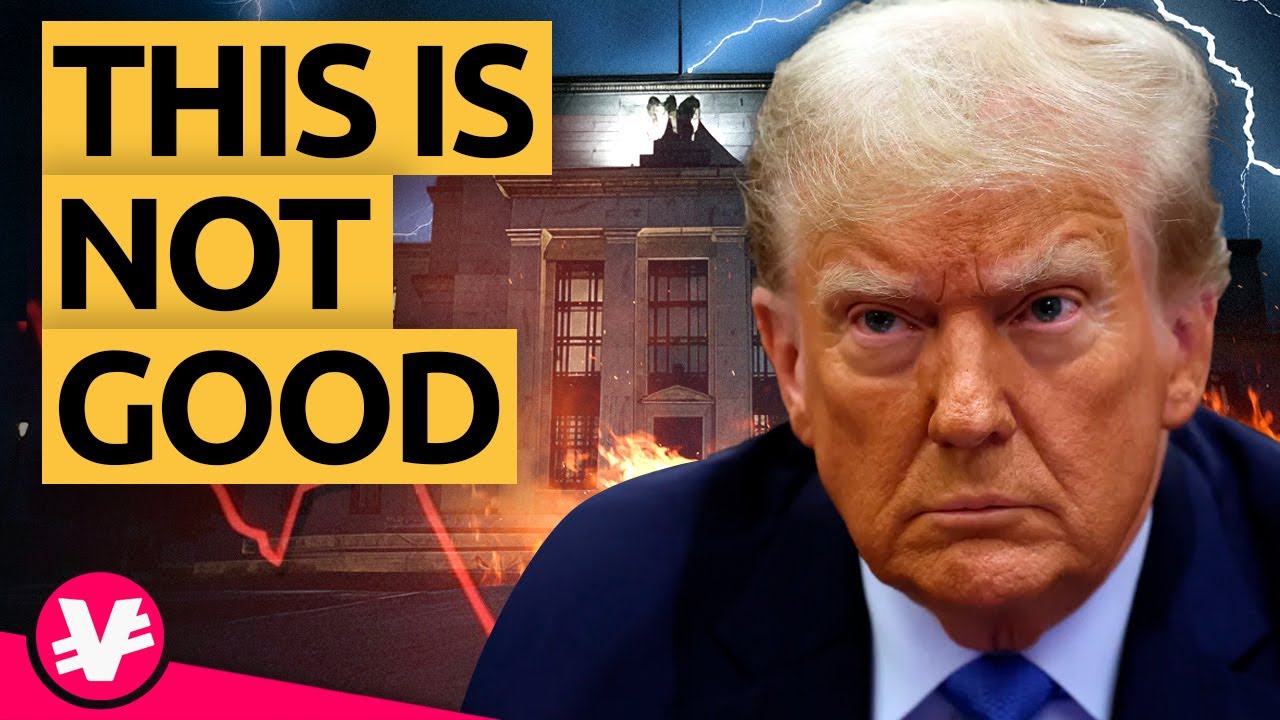
US Federal Reserve with “announcement”