-
 Kenya's economy faces climate change risks: World Bank
-
Campaigning starts in Central African Republic quadruple election

-
 'Stop the slaughter': French farmers block roads over cow disease cull
-
First urban cable car unveiled outside Paris

-
 Why SpaceX IPO plan is generating so much buzz
-
US unseals warrant for tanker seized off Venezuelan coast

-
 World stocks mostly slide, consolidating Fed-fuelled gains
-
Crypto firm Tether bids for Juventus, is quickly rebuffed

-
 UK's king shares 'good news' that cancer treatment will be reduced in 2026
-
Can Venezuela survive US targeting its oil tankers?

-
 Salah admired from afar in his Egypt home village as club tensions swirl
-
World stocks retrench, consolidating Fed-fuelled gains

-
 Iran frees child bride sentenced to death over husband's killing: activists
-
World stocks consolidate Fed-fuelled gains

-
 France updates net-zero plan, with fossil fuel phaseout
-
Stocks rally in wake of Fed rate cut

-
 EU agrees recycled plastic targets for cars
-
British porn star to be deported from Bali after small fine

-
 British porn star fined, faces imminent Bali deportation
-
Spain opens doors to descendants of Franco-era exiles

-
 Indonesia floods were 'extinction level' for rare orangutans
-
Thai teacher finds 'peace amidst chaos' painting bunker murals

-
 Japan bear victim's watch shows last movements
-
South Korea exam chief quits over complaints of too-hard tests

-
 French indie 'Clair Obscur' dominates Game Awards
-
South Korea exam chief resigns after tests dubbed too hard

-
 Asian markets track Wall St record after Fed cut
-
Laughing about science more important than ever: Ig Nobel founder

-
 Vaccines do not cause autism: WHO
-
Crypto mogul Do Kwon sentenced to 15 years for fraud: US media

-
 'In her prime': Rare blooming of palm trees in Rio
-
Make your own Mickey Mouse clip - Disney embraces AI

-
 OpenAI beefs up GPT models in AI race with Google
-
Dark, wet, choppy: Machado's secret sea escape from Venezuela

-
 Cyclone causes blackout, flight chaos in Brazil's Sao Paulo
-
2024 Eurovision winner Nemo returns trophy over Israel's participation

-
 US bringing seized tanker to port, as Venezuela war threats build
-
Make your own AI Mickey Mouse - Disney embraces new tech

-
 Time magazine names 'Architects of AI' as Person of the Year
-
Floodworks on Athens 'oasis' a tough sell among locals

-
 OpenAI, Disney to let fans create AI videos in landmark deal
-
German growth forecasts slashed, Merz under pressure

-
 Thyssenkrupp pauses steel production at two sites citing Asian pressure
-
ECB proposes simplifying rules for banks

-
 Stocks mixed as US rate cut offset by Fed outlook, Oracle earnings
-
Desert dunes beckon for Afghanistan's 4x4 fans

-
 Breakout star: teenage B-girl on mission to show China is cool
-
Chocolate prices high before Christmas despite cocoa fall

-
 Austria set to vote on headscarf ban in schools
-
Asian traders cheer US rate cut but gains tempered by outlook

NYSE - LSE
Nuclear weapons for Poland against Russia?
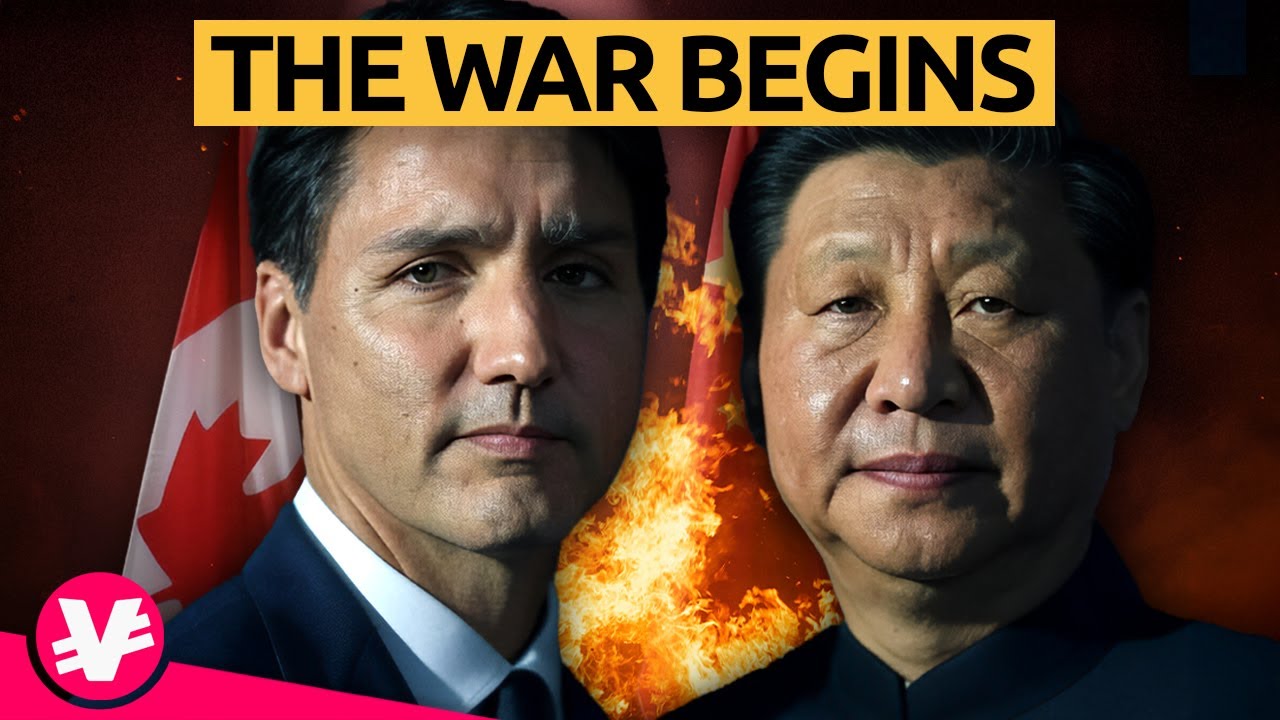
As Donald Trump’s second term as U.S. President intensifies global tensions, a volatile mix of international defiance and regional military posturing is emerging, with Poland at the centre of a brewing storm. Amidst protests against Trump’s policies, speculation about nuclear escalation and Poland’s strategic moves against Russia have raised alarms, encapsulated in the provocative phrase circulating among activists and commentators: "We are ready for war." Yet, the reality behind these developments remains grounded in diplomatic friction and military preparedness rather than imminent conflict.
Trump’s inauguration on 20 January 2025 marked a return to his "America First" stance, including a pledge to reassess U.S. commitments to NATO, announced in a speech in Texas on 25 January. This has sparked outrage across Europe, with protests erupting in cities like Paris and Berlin. On 28 January, French activist Élise Moreau told a crowd of 12,000 outside the U.S. Embassy in Paris—according to police estimates—that "we are ready for war" against Trump’s "disruptive unilateralism." Similar sentiments have echoed in Warsaw, where Polish citizens and officials fear that a weakened NATO could embolden Russia’s ambitions in Eastern Europe.
Poland’s response has been swift and assertive. On 5 March, the Polish Ministry of Defence confirmed the deployment of an additional 10,000 troops to its eastern border with Belarus and Ukraine, citing "heightened Russian military activity" in the region. This followed reports from the Ukrainian General Staff on 2 March that Russia had amassed 50,000 troops near its western frontier, though Moscow denied any aggressive intent. Poland’s Foreign Minister, Anna Kowalska, stated on 7 March that "Warsaw will not wait for threats to materialise," framing the troop surge as a defensive "gambit" to deter Russian advances.
The spectre of nuclear weapons has further inflamed rhetoric. On 10 March, a senior Polish MP from the ruling Law and Justice Party, Janusz Kowalski, suggested in a televised debate that Poland might seek NATO nuclear sharing agreements "if the U.S. wavers." This echoed Trump’s own comments on 8 March in Florida, where he hinted at reconsidering America’s nuclear umbrella over Europe, stating, "Allies need to pay their share, or they’re on their own." No evidence suggests nuclear weapons are currently "on the way" to Poland, but the remarks have fuelled speculation and alarm, amplified by posts on X claiming "nukes" are imminent.
Across the Atlantic, Trump has dismissed the backlash. At a rally in Michigan on 15 March, attended by an estimated 18,000 supporters according to local authorities, he called European critics "freeloaders" and reiterated his intent to renegotiate defence pacts. The White House followed this with a statement on 16 March, asserting that "no changes to NATO’s nuclear posture are under consideration," attempting to quell fears of escalation.
In Europe, reactions vary. Germany’s Foreign Ministry expressed "deep concern" on 12 March about Poland’s troop movements, urging restraint to avoid provoking Moscow. Meanwhile, NATO Secretary General Mark Rutte announced on 17 March that the alliance would hold emergency talks in Brussels next week to address "cohesion and deterrence" amid Trump’s pressures. Analysts note that Poland’s actions align with its long-standing policy of bolstering its military—its defence budget reached 4% of GDP in 2024, per World Bank data—reflecting fears rooted in Russia’s 2022 invasion of Ukraine.
The "ready for war" rhetoric, while widespread, remains symbolic. Dr. Katarzyna Zielinska, a security expert at Jagiellonian University in Krakow, told this publication, "Poland’s gambit is about deterrence, not aggression. Talk of war—or nukes—is an expression of anxiety, not a plan." Still, the situation is precarious. The International Institute for Strategic Studies reported on 14 March that Russian air patrols near Polish airspace increased by 20% in February 2025 compared to the previous year, heightening regional tensions.
For now, the international rebellion against Trump and Poland’s military stance are distinct but intertwined threads in a broader tapestry of uncertainty. Protests continue—organisers in London are planning a rally for 25 March—while Poland’s border fortifications proceed. Whether these developments signal a genuine slide towards conflict or a recalibration of global alliances remains unclear. What is certain is that Trump’s shadow, and Russia’s looming presence, have set the stage for a critical test of resolve in the months ahead.
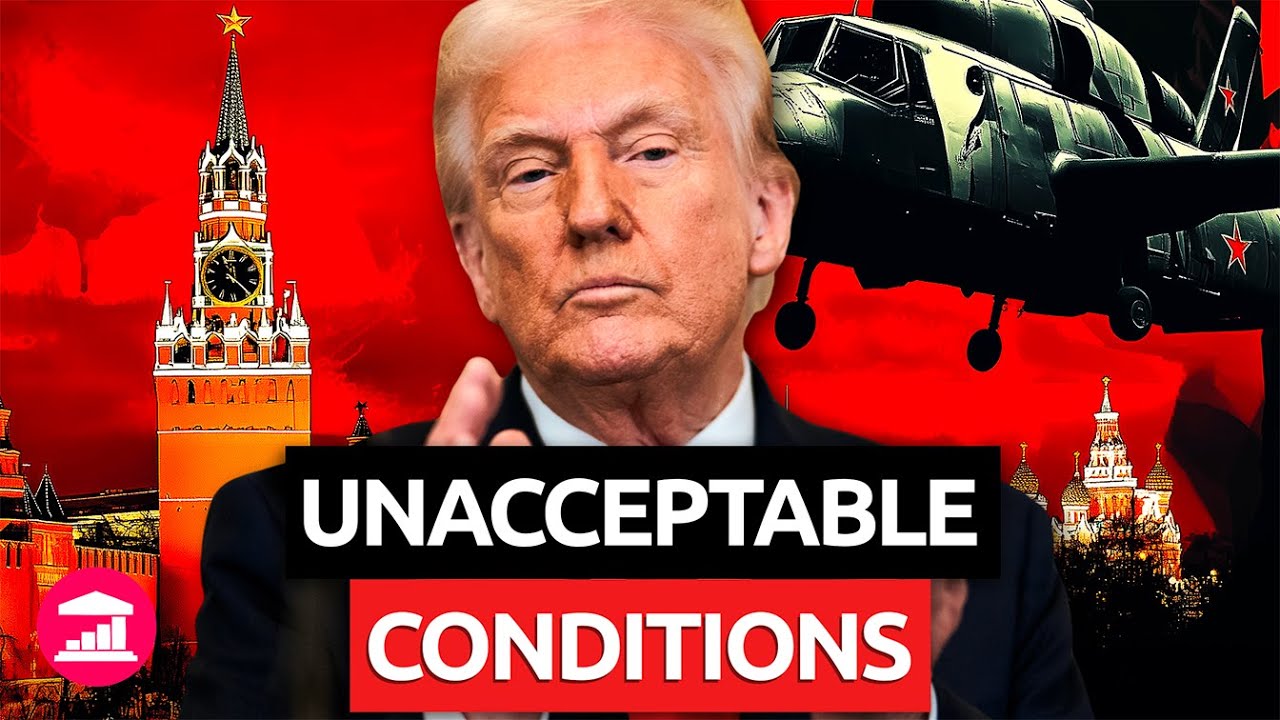
Trump’s Ukraine Economic Colony Plan Stirs Debate
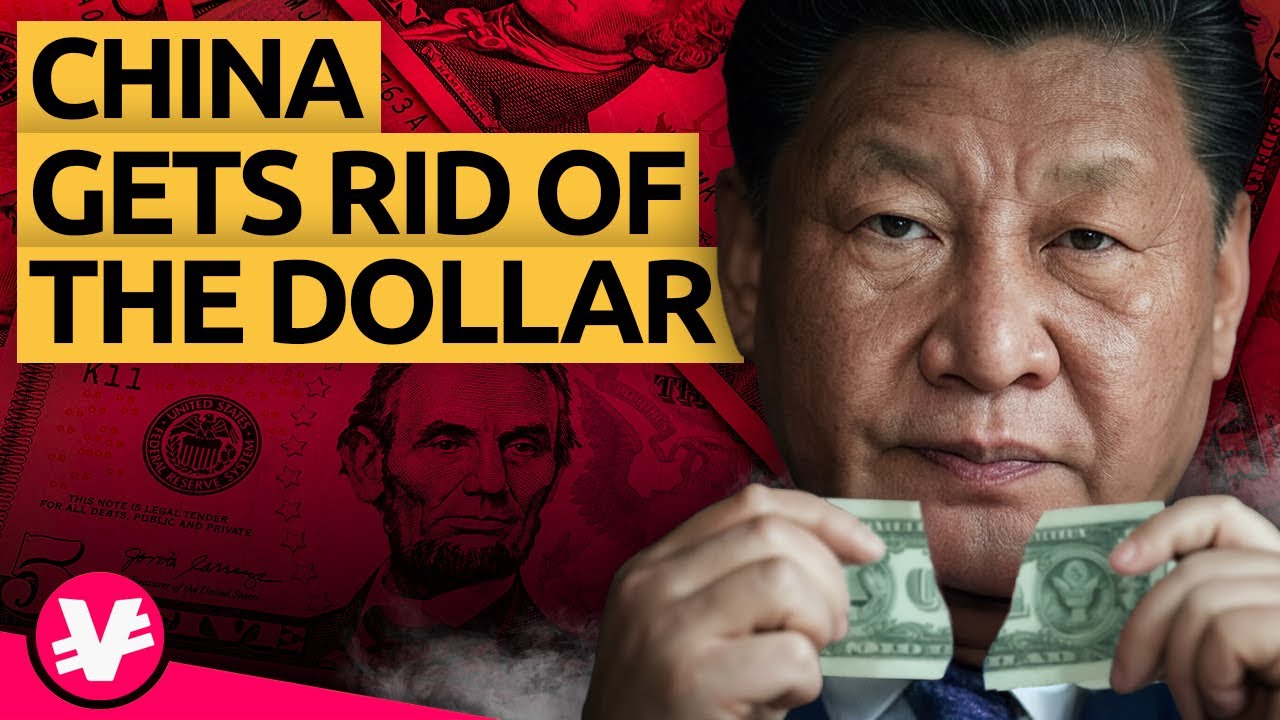
China Targets Dollar at US Critical Moment
EU Pledges €800 Billion for Defence to Deter Russia
Israel escalates War to crush Hamas
Trump, Putin and the question: What now?
Canada challenges Trump on Tariffs
Rebellion against Trump: "Ready for War?"
Ukraine: Problem with the ceasefire?
Ukraine Loses Kursk: A Collapse?
Russia's "Alliance" in the Balkans is sinking
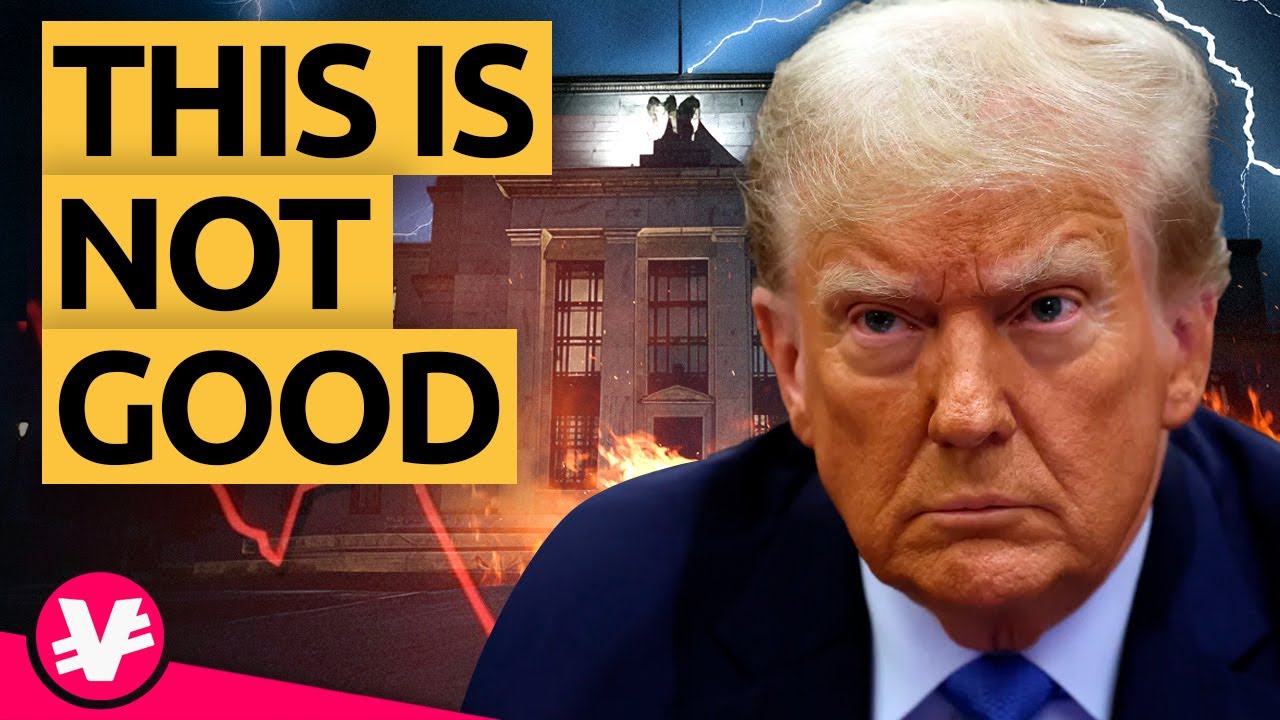
US Federal Reserve with “announcement”