-
 Kenya's economy faces climate change risks: World Bank
-
World stocks mostly slide, consolidating Fed-fuelled gains

-
 Crypto firm Tether bids for Juventus, is quickly rebuffed
-
UK's king shares 'good news' that cancer treatment will be reduced in 2026

-
 Can Venezuela survive US targeting its oil tankers?
-
Salah admired from afar in his Egypt home village as club tensions swirl

-
 World stocks retrench, consolidating Fed-fuelled gains
-
Iran frees child bride sentenced to death over husband's killing: activists

-
 World stocks consolidate Fed-fuelled gains
-
France updates net-zero plan, with fossil fuel phaseout

-
 Stocks rally in wake of Fed rate cut
-
EU agrees recycled plastic targets for cars

-
 British porn star to be deported from Bali after small fine
-
British porn star fined, faces imminent Bali deportation

-
 Spain opens doors to descendants of Franco-era exiles
-
Indonesia floods were 'extinction level' for rare orangutans

-
 Thai teacher finds 'peace amidst chaos' painting bunker murals
-
Japan bear victim's watch shows last movements

-
 South Korea exam chief quits over complaints of too-hard tests
-
French indie 'Clair Obscur' dominates Game Awards

-
 South Korea exam chief resigns after tests dubbed too hard
-
Asian markets track Wall St record after Fed cut

-
 Laughing about science more important than ever: Ig Nobel founder
-
Vaccines do not cause autism: WHO

-
 Crypto mogul Do Kwon sentenced to 15 years for fraud: US media
-
'In her prime': Rare blooming of palm trees in Rio

-
 Make your own Mickey Mouse clip - Disney embraces AI
-
OpenAI beefs up GPT models in AI race with Google

-
 Dark, wet, choppy: Machado's secret sea escape from Venezuela
-
Cyclone causes blackout, flight chaos in Brazil's Sao Paulo

-
 2024 Eurovision winner Nemo returns trophy over Israel's participation
-
US bringing seized tanker to port, as Venezuela war threats build

-
 Make your own AI Mickey Mouse - Disney embraces new tech
-
Time magazine names 'Architects of AI' as Person of the Year

-
 Floodworks on Athens 'oasis' a tough sell among locals
-
OpenAI, Disney to let fans create AI videos in landmark deal

-
 German growth forecasts slashed, Merz under pressure
-
Thyssenkrupp pauses steel production at two sites citing Asian pressure

-
 ECB proposes simplifying rules for banks
-
Stocks mixed as US rate cut offset by Fed outlook, Oracle earnings

-
 Desert dunes beckon for Afghanistan's 4x4 fans
-
Breakout star: teenage B-girl on mission to show China is cool

-
 Chocolate prices high before Christmas despite cocoa fall
-
Austria set to vote on headscarf ban in schools

-
 Asian traders cheer US rate cut but gains tempered by outlook
-
AI's $400 bn problem: Are chips getting old too fast?

-
 Oracle shares dive as revenue misses forecasts
-
US stocks rise, dollar retreats as Fed tone less hawkish than feared

-
 Divided US Fed makes third straight rate cut, signals higher bar ahead
-
Machado to come out of hiding after missing Nobel ceremony

NYSE - LSE
EU Pledges €800 Billion for Defence to Deter Russia
The European Union has unveiled an ambitious plan to allocate €800 billion towards bolstering its defence capabilities, a move widely interpreted as a strategic response to escalating tensions with Russia. Announced by European Commission President Ursula von der Leyen, this initiative aims to transform the EU into a formidable "defence union," shifting its economic priorities towards what some analysts have dubbed a "war economy." The decision, detailed in a recent strategic white paper, comes amid growing concerns over Russia’s military assertiveness, particularly following its ongoing aggression in Ukraine and perceived threats to NATO’s eastern flank.
The €800 billion package, to be rolled out over the coming years, includes €150 billion in EU loans and significant exemptions from the bloc’s stringent debt rules, allowing member states to finance military enhancements without breaching fiscal limits. According to sources cited by the Deutsche Presse-Agentur (DPA), the funds will target seven key areas, including air defence, cyber capabilities, and military intelligence, aiming to close critical gaps in Europe’s defence infrastructure. "If Europe wants to avoid war, it must be prepared for war," the white paper states, echoing a sentiment of deterrence through strength.
Russia’s reaction has been swift and critical. Kremlin spokesperson Dmitry Peskov accused Europe of "aggressive militarism," a charge that carries irony given Russia’s own allocation of nearly 40% of its state budget to military spending in 2025. Russian President Vladimir Putin has overseen a dramatic shift to a war economy since the invasion of Ukraine in 2022, with the country reportedly producing three million artillery shells annually—outpacing the combined output of NATO’s 32 members. This disparity in production capacity has fuelled European fears that Russia could sustain prolonged conflicts, potentially eyeing targets beyond Ukraine, such as the Baltic states or Poland.
The EU’s move also reflects unease over its reliance on the United States, particularly following uncertainties surrounding American support under a potential Donald Trump presidency. While earlier drafts of the white paper explicitly warned of over-dependence on the US, these references were softened in the final version after interventions from von der Leyen’s cabinet, as reported by DPA. Nonetheless, the €800 billion commitment underscores a push for strategic autonomy, with investments channelled into European-made defence systems to reduce external vulnerabilities.
Critics within the EU, however, question the feasibility and implications of such a shift. Transforming a civilian economy into one geared for war requires significant market interventions, a prospect that has raised doubts about political willingness and economic sustainability. The precedent of the United States during World War II—where private industries were placed under strict government oversight—looms large, yet Europe’s fragmented political landscape may complicate such coordination. Furthermore, the redirection of resources comes at a time when the EU is already grappling with energy transitions and post-pandemic recovery, with the €672 billion European Recovery Fund serving as a recent benchmark for large-scale spending.
Public sentiment, particularly in Germany, reflects growing anxiety. A Shell Youth Study cited by rbb-online.de found that the threat of war is now the top concern among young Germans, with fears of conscription and displacement driving calls for preparedness. NATO’s ongoing "Steadfast Defender" exercises, involving 90,000 troops, and the upcoming "Nordic Response" manoeuvre underscore this urgency, simulating defensive operations against a Russian incursion.
While the €800 billion figure is a political statement of intent, its implementation remains uncertain. Analysts note that it may take months, if not years, for funds to translate into tangible military assets. For now, the EU hopes this bold financial pledge will serve as a deterrent, projecting strength to Moscow while navigating internal divisions and external dependencies. Whether it instils fear in Russia or merely galvanises Europe’s resolve, the stakes for the continent’s security have rarely been higher.
Trump’s Ukraine Economic Colony Plan Stirs Debate
China Targets Dollar at US Critical Moment
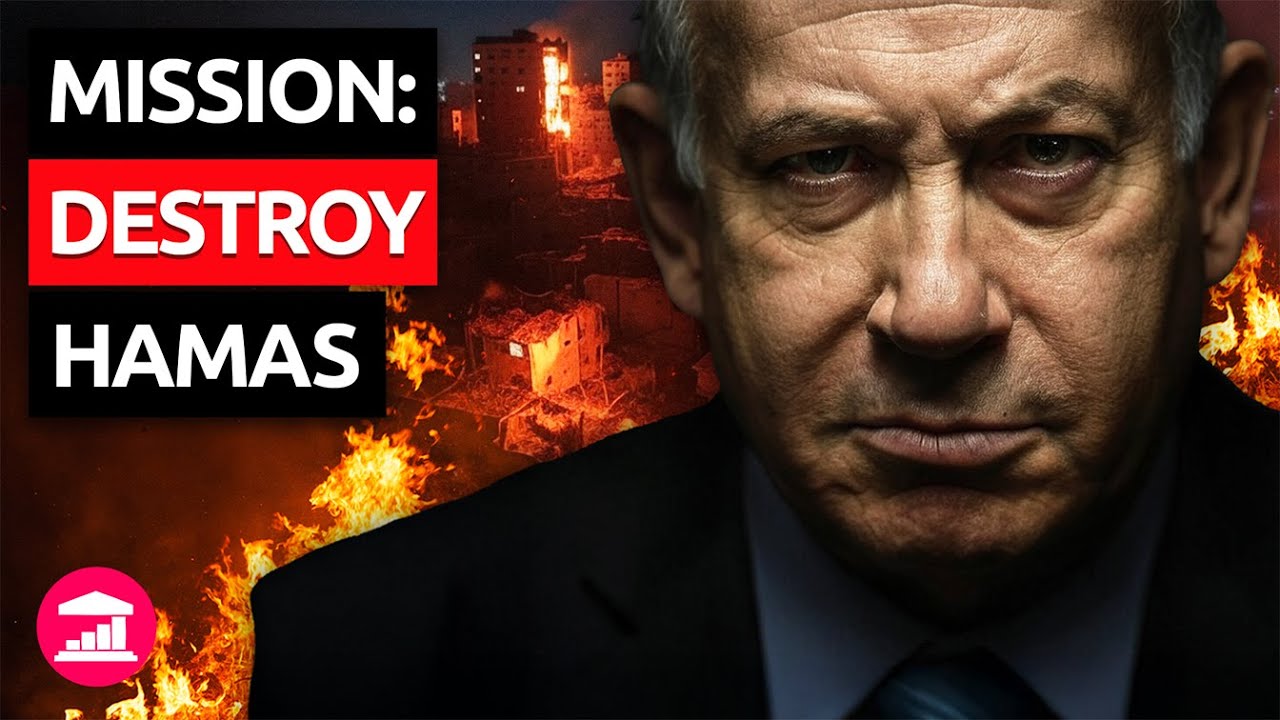
Israel escalates War to crush Hamas
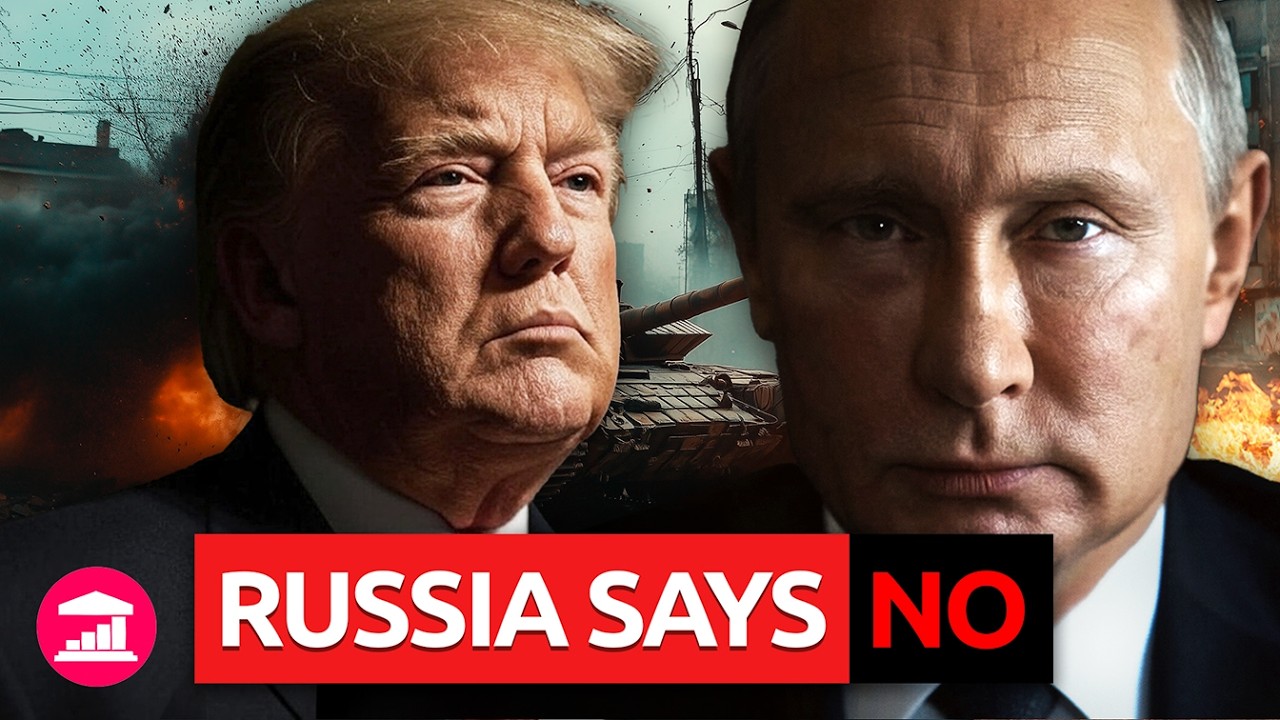
Trump, Putin and the question: What now?
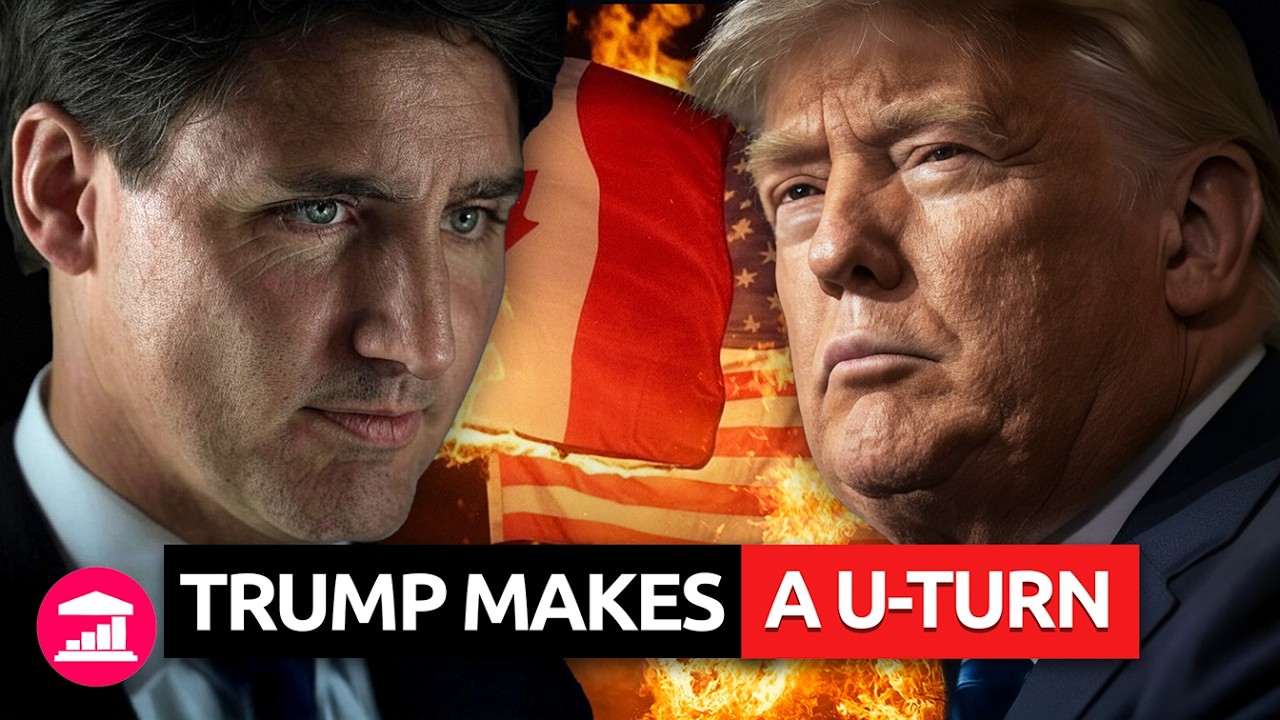
Canada challenges Trump on Tariffs
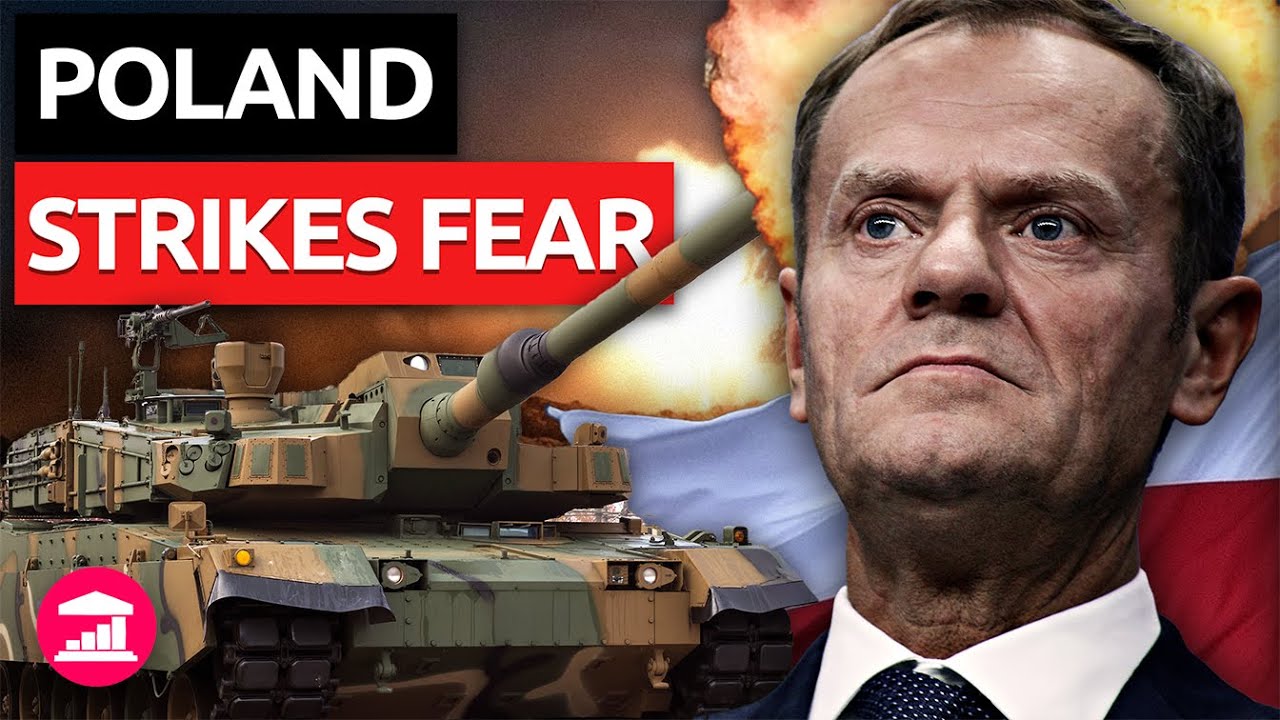
Nuclear weapons for Poland against Russia?
Rebellion against Trump: "Ready for War?"
Ukraine: Problem with the ceasefire?
Ukraine Loses Kursk: A Collapse?
Russia's "Alliance" in the Balkans is sinking
US Federal Reserve with “announcement”