-
 Kenya's economy faces climate change risks: World Bank
-
World stocks mostly slide, consolidating Fed-fuelled gains

-
 Crypto firm Tether bids for Juventus, is quickly rebuffed
-
UK's king shares 'good news' that cancer treatment will be reduced in 2026

-
 Can Venezuela survive US targeting its oil tankers?
-
Salah admired from afar in his Egypt home village as club tensions swirl

-
 World stocks retrench, consolidating Fed-fuelled gains
-
Iran frees child bride sentenced to death over husband's killing: activists

-
 World stocks consolidate Fed-fuelled gains
-
France updates net-zero plan, with fossil fuel phaseout

-
 Stocks rally in wake of Fed rate cut
-
EU agrees recycled plastic targets for cars

-
 British porn star to be deported from Bali after small fine
-
British porn star fined, faces imminent Bali deportation

-
 Spain opens doors to descendants of Franco-era exiles
-
Indonesia floods were 'extinction level' for rare orangutans

-
 Thai teacher finds 'peace amidst chaos' painting bunker murals
-
Japan bear victim's watch shows last movements

-
 South Korea exam chief quits over complaints of too-hard tests
-
French indie 'Clair Obscur' dominates Game Awards

-
 South Korea exam chief resigns after tests dubbed too hard
-
Asian markets track Wall St record after Fed cut

-
 Laughing about science more important than ever: Ig Nobel founder
-
Vaccines do not cause autism: WHO

-
 Crypto mogul Do Kwon sentenced to 15 years for fraud: US media
-
'In her prime': Rare blooming of palm trees in Rio

-
 Make your own Mickey Mouse clip - Disney embraces AI
-
OpenAI beefs up GPT models in AI race with Google

-
 Dark, wet, choppy: Machado's secret sea escape from Venezuela
-
Cyclone causes blackout, flight chaos in Brazil's Sao Paulo

-
 2024 Eurovision winner Nemo returns trophy over Israel's participation
-
US bringing seized tanker to port, as Venezuela war threats build

-
 Make your own AI Mickey Mouse - Disney embraces new tech
-
Time magazine names 'Architects of AI' as Person of the Year

-
 Floodworks on Athens 'oasis' a tough sell among locals
-
OpenAI, Disney to let fans create AI videos in landmark deal

-
 German growth forecasts slashed, Merz under pressure
-
Thyssenkrupp pauses steel production at two sites citing Asian pressure

-
 ECB proposes simplifying rules for banks
-
Stocks mixed as US rate cut offset by Fed outlook, Oracle earnings

-
 Desert dunes beckon for Afghanistan's 4x4 fans
-
Breakout star: teenage B-girl on mission to show China is cool

-
 Chocolate prices high before Christmas despite cocoa fall
-
Austria set to vote on headscarf ban in schools

-
 Asian traders cheer US rate cut but gains tempered by outlook
-
AI's $400 bn problem: Are chips getting old too fast?

-
 Oracle shares dive as revenue misses forecasts
-
US stocks rise, dollar retreats as Fed tone less hawkish than feared

-
 Divided US Fed makes third straight rate cut, signals higher bar ahead
-
Machado to come out of hiding after missing Nobel ceremony

NYSE - LSE
Pope Francis: A Transformative Legacy
The Catholic Church mourns the loss of Pope Francis, who passed away on 21 April 2025 at the age of 88, leaving behind a legacy that reshaped the Church and touched the world. Born Jorge Mario Bergoglio in Buenos Aires, Argentina, he was the first Jesuit, the first Latin American, and the first non-European pontiff in over 1,200 years. His death, caused by a stroke, marked the end of a 12-year papacy defined by bold reforms, profound compassion, and inevitable controversies.
Francis ascended to the papacy in 2013, following the historic resignation of Pope Benedict XVI. From his first appearance on the balcony of St. Peter’s Basilica, where he chose the name Francis in homage to St. Francis of Assisi, he signalled a departure from tradition. Eschewing the opulent Apostolic Palace for a modest residence in Casa Santa Marta, he embodied humility. His early words, asking the crowd to pray for him, set the tone for a papacy rooted in accessibility and service.
His transformative vision centred on a “poor Church for the poor.” Francis prioritised the marginalised, visiting prisons, washing the feet of inmates, and advocating for refugees and the homeless. His 2015 encyclical, Laudato Si’, was a clarion call for environmental stewardship, urging global action on climate change and sustainable living. This landmark document resonated beyond the Catholic faithful, earning praise from world leaders and environmentalists alike. His commitment to interfaith dialogue also broke new ground. The 2019 Document on Human Fraternity, co-signed with the Grand Imam of Al-Azhar, Ahmad Al-Tayyeb, promoted peace and coexistence, while his historic visits to Iraq and Indonesia furthered ecumenical ties.
Francis sought to modernise the Church through the Weltsynode, a global reform process launched in 2021. For the first time, laypeople and women were given voting rights at the 2023 Synod of Bishops, a move hailed by progressives as a step towards inclusivity. He appointed women to senior Vatican roles, challenging the Church’s male-dominated hierarchy. Yet, his refusal to ordain women as priests or deacons disappointed those hoping for deeper doctrinal change, highlighting the delicate balance he struck between reform and tradition.
His papacy was not without shadows. The ongoing clergy abuse scandal cast a long pall. While Francis expressed deep sorrow and implemented measures to address the crisis, critics argued he was too slow to act decisively. His handling of cases, such as those involving high-profile clerics, drew scrutiny. Geopolitically, his outspoken criticism of Israel’s actions in Gaza strained Vatican-Israel relations, and his failure to sway the Russian Orthodox Patriarch Kirill on the Ukraine war underscored the limits of his influence. Within the Church, ultraconservative factions opposed his reforms, with some accusing him of diluting doctrine. His decision to sign a document affirming the diversity of religions sparked fierce debate, with critics claiming it undermined Catholic exclusivity.
Francis’s personal struggles added complexity to his tenure. Health challenges, including a prolonged hospital stay for pneumonia in early 2025, tested his resilience. Yet, even in his final days, he remained active, attending Easter services and visiting his beloved Basilica of Santa Maria Maggiore, where he will be laid to rest on 26 April 2025, per his wishes for a simple burial. His choice of this basilica, rather than St. Peter’s, reflects his lifelong devotion to humility and his connection to the Marian icon Salus Populi Romani.
Tributes poured in from across the globe. World leaders, including French President Emmanuel Macron and US President Joe Biden, lauded his compassion and advocacy for the vulnerable. Hollywood figures like Martin Scorsese and Leonardo DiCaprio praised his moral leadership, while Argentina declared seven days of national mourning. In Rome, tens of thousands gathered at St. Peter’s Square, where his body was displayed for public homage until Friday, before a funeral attended by global dignitaries.
As the Vatican prepares for the conclave to elect the 267th pope, the Church stands at a crossroads. Francis’s reforms have opened doors, but his unfinished agenda—on women’s roles, abuse accountability, and doctrinal evolution—leaves his successor a daunting task. His papacy, a beacon of hope for many, was a tightrope walk between progress and tradition, light and shadow. His legacy endures as a call to compassion, a challenge to power, and a vision of a Church closer to the people it serves.
Trap laid, Ukraine walked in
BRICS-Dollar challenge
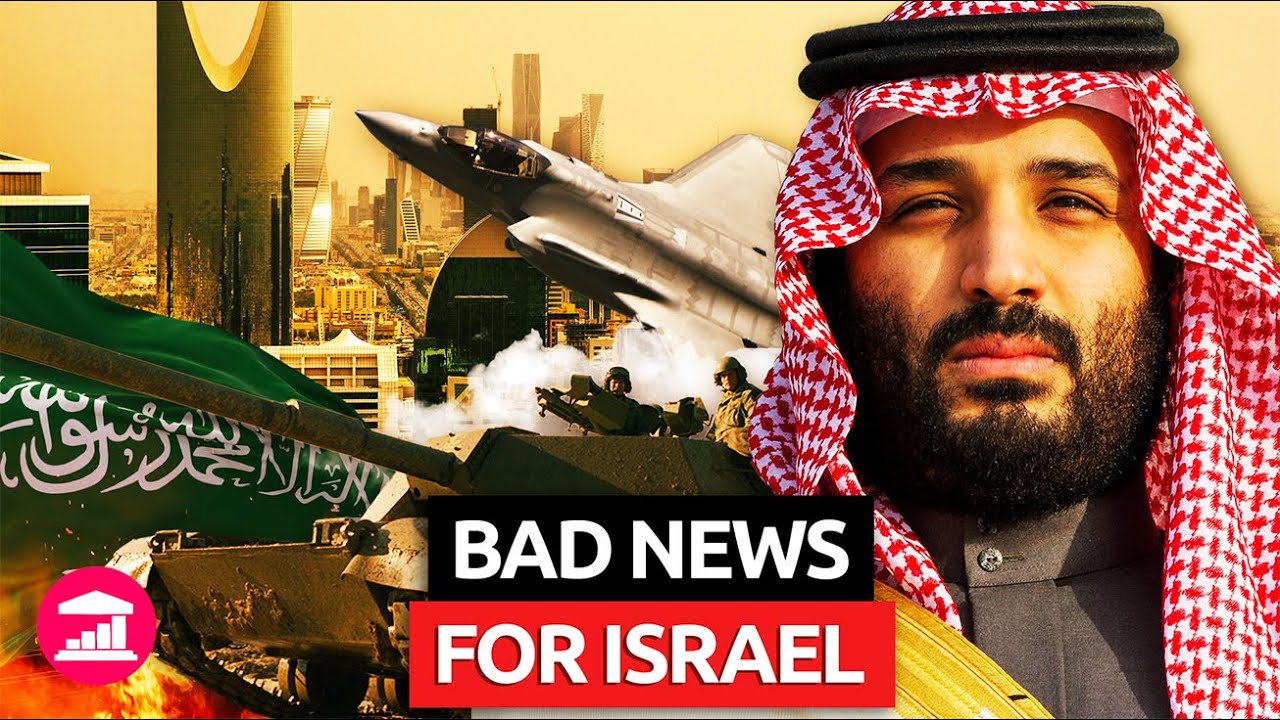
Saudi shift shakes Israel
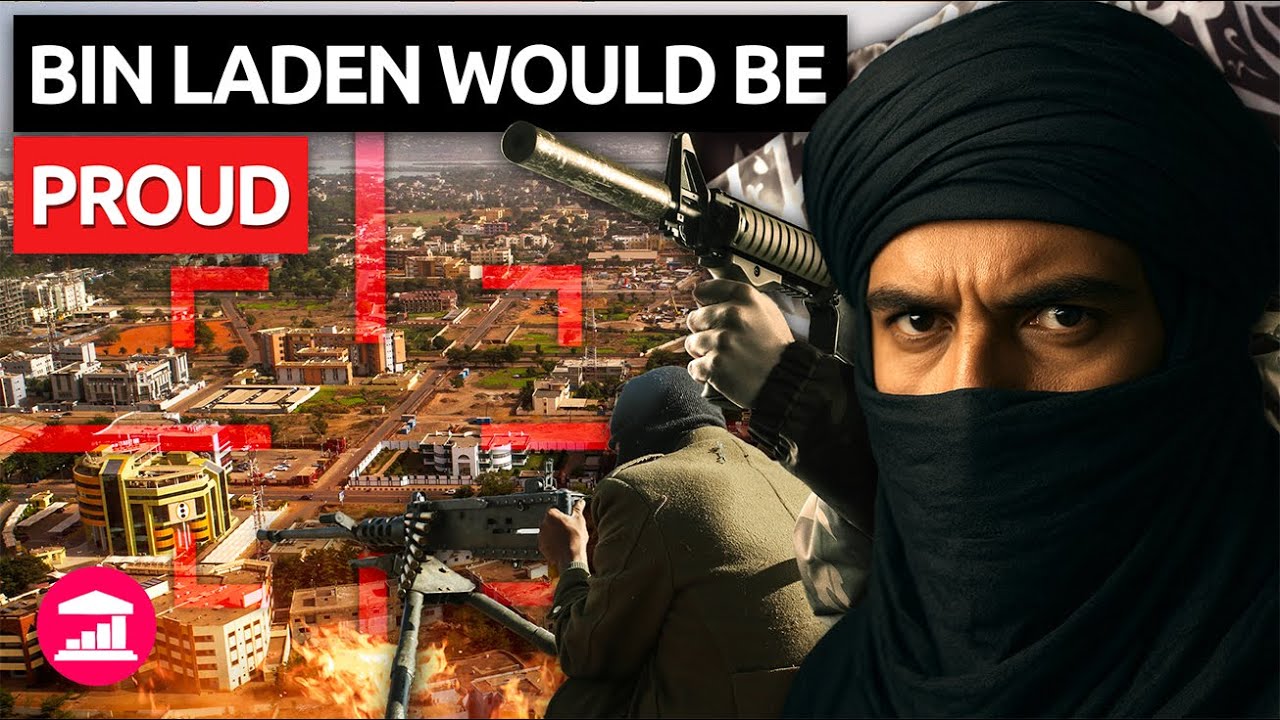
Al-Qaida’s growing ambitions
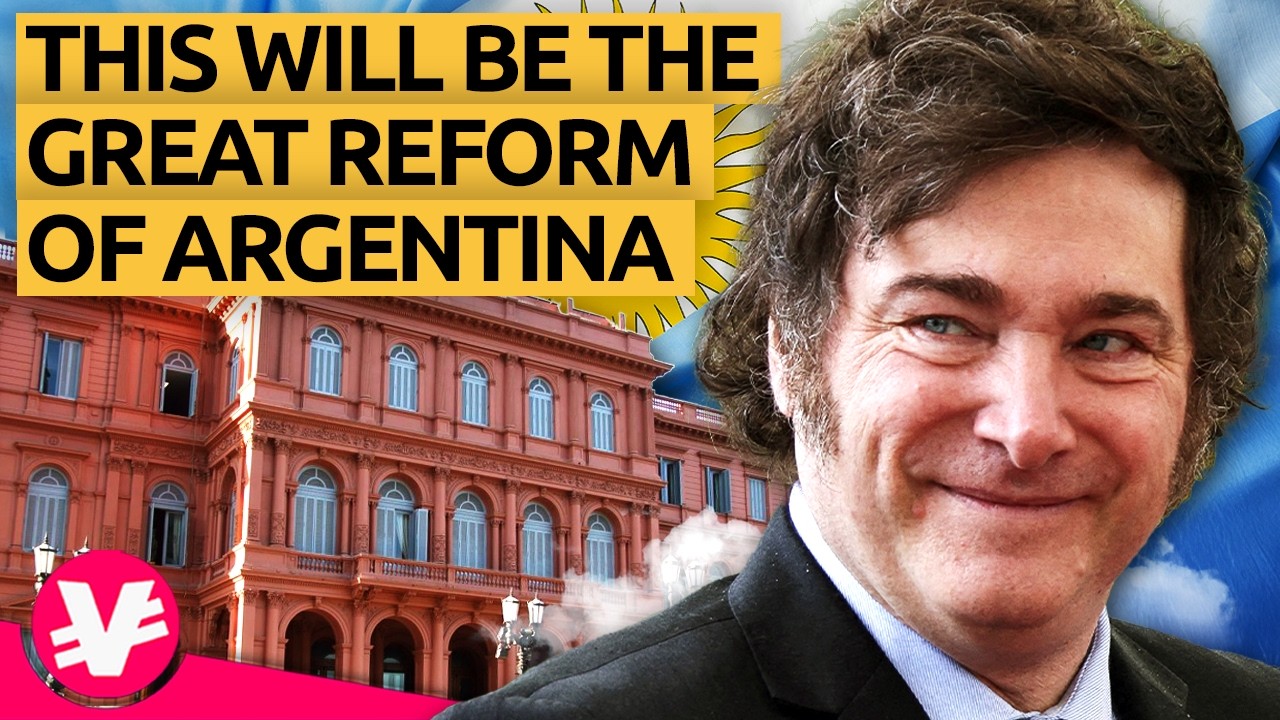
Argentina's radical Shift

Hidden Cartel crisis in USA
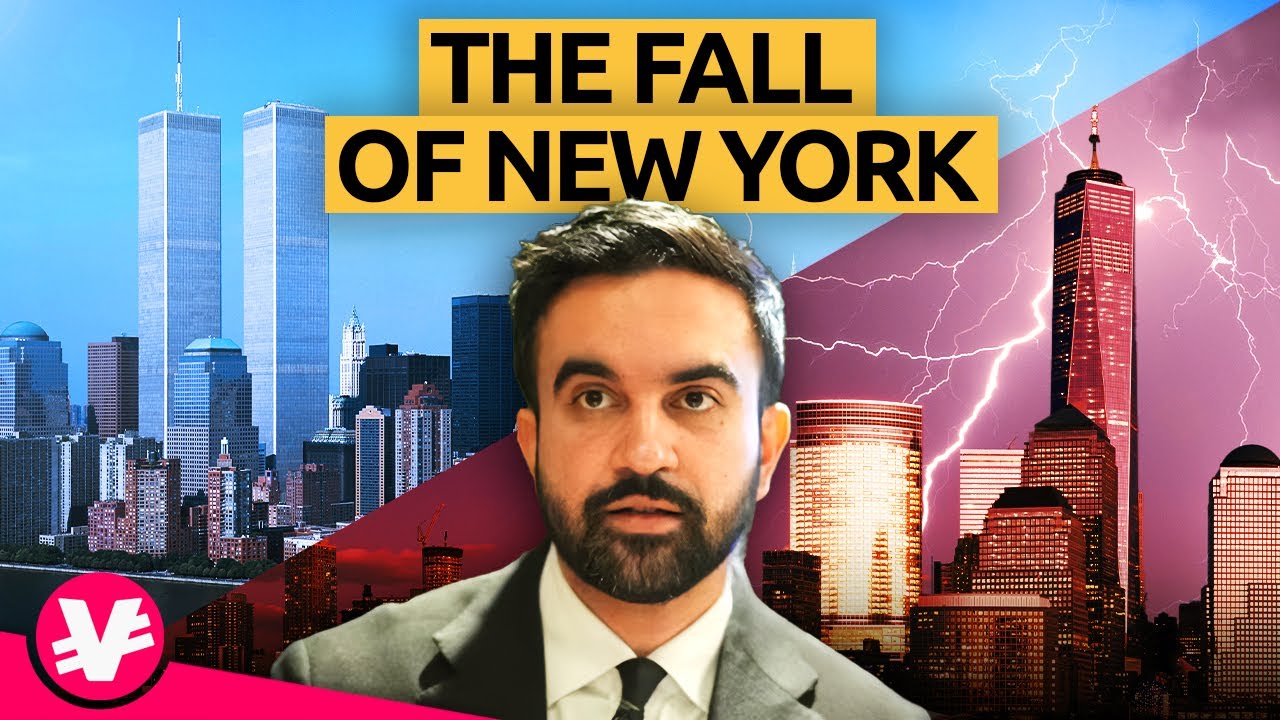
New York’s lost Luster
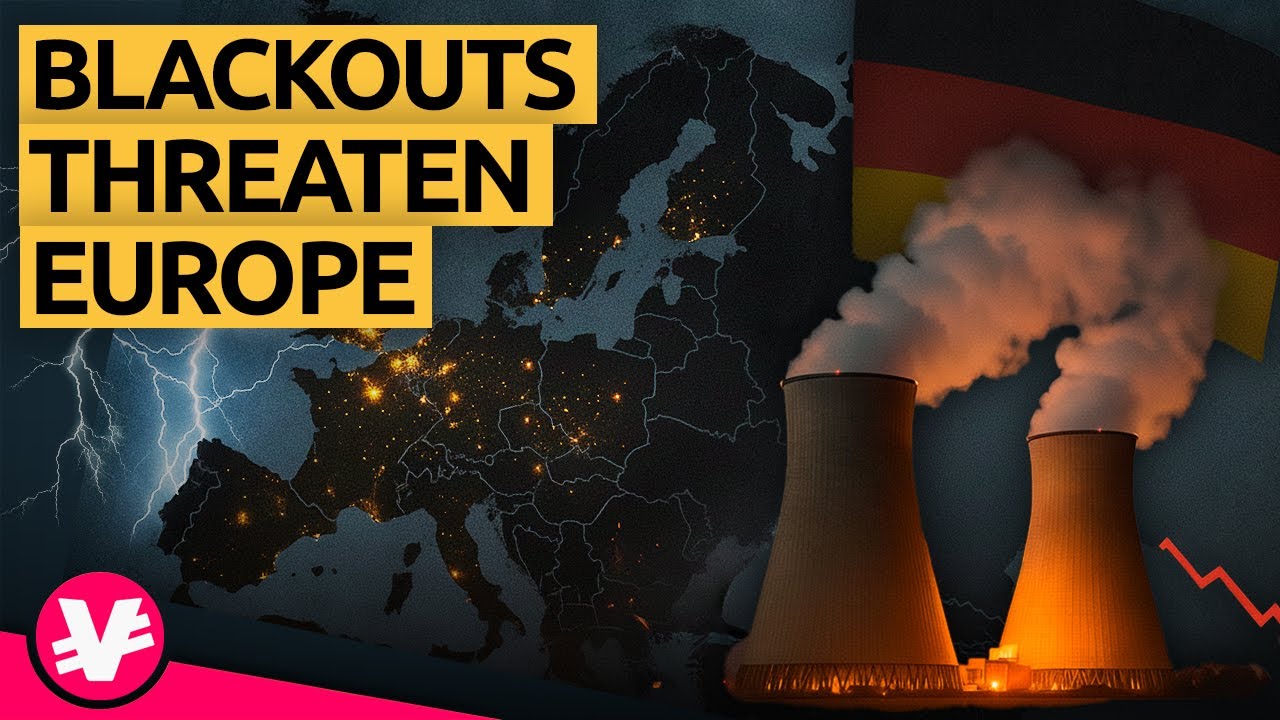
Europe’s power shock
Australian economy Crisis
Israel’s Haredi Challenge
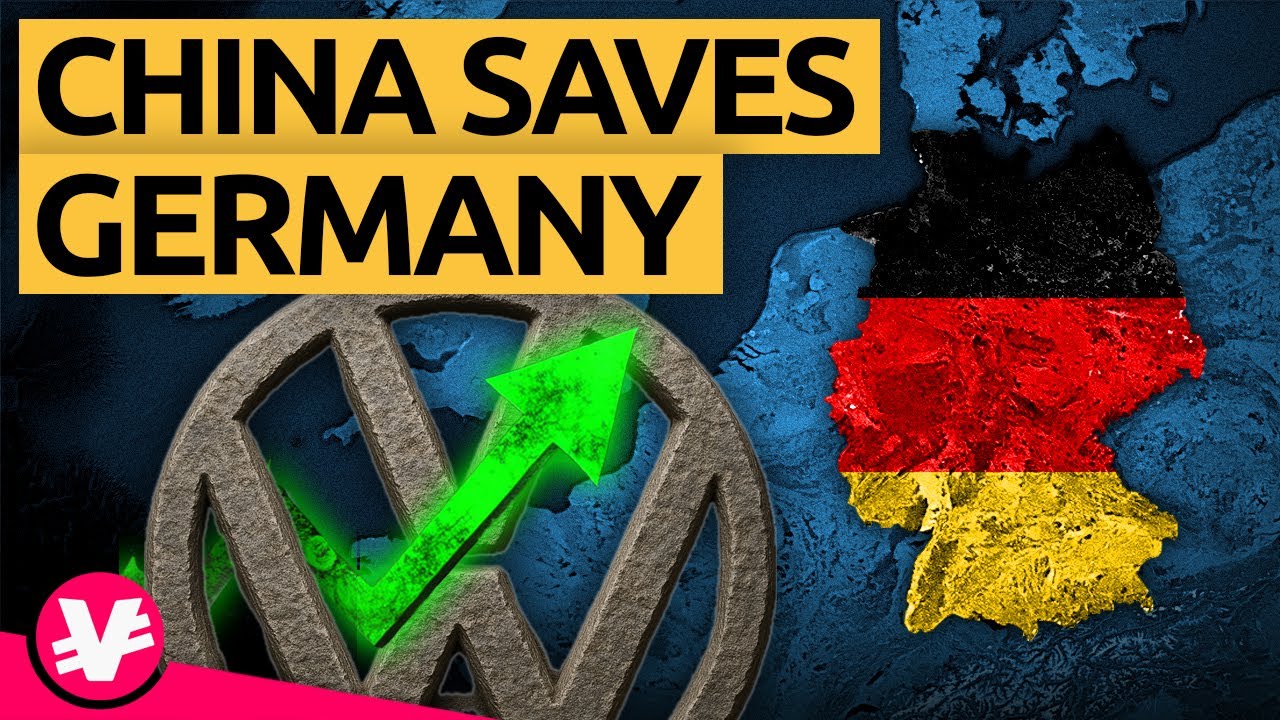
Miracle in Germany: VW soars